
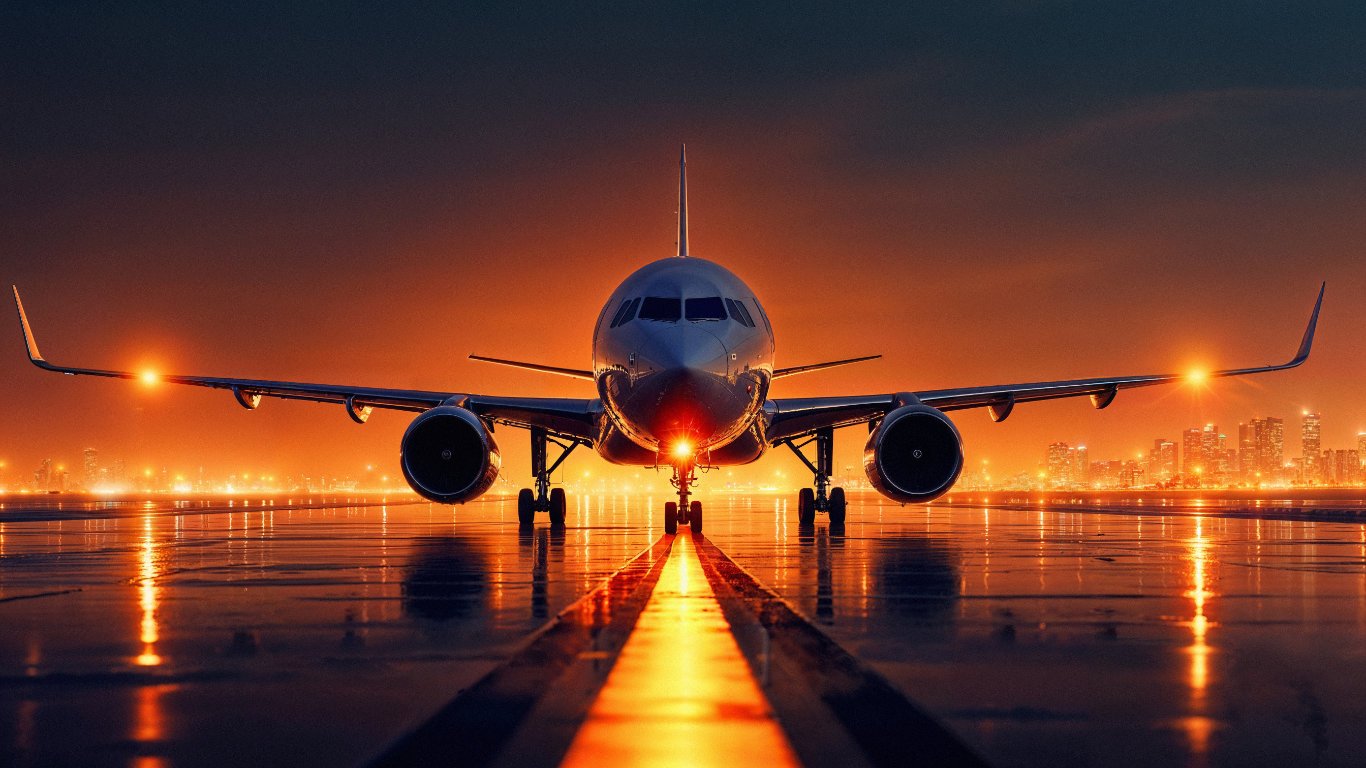
Every flight journey begins with a small decision that shapes everything that follows: where you sit. Before the engines warm, before the safety belt clicks, your eyes skim the cabin and sense the mood of the flight ahead. Airline seating may feel like a simple arrangement of rows and numbers, but it quietly guides the way we think about comfort, value, and possibility.
Walk into a modern aircraft, and you notice how space feels different depending on where you stand. At the front, Business Class greets you with calm colours, wider pathways, and that soft hush that makes your shoulders drop without thinking. The seats stretch into beds, creating a private cocoon that invites you to settle in and exhale. What most travellers never see is the economic engine behind this calm.
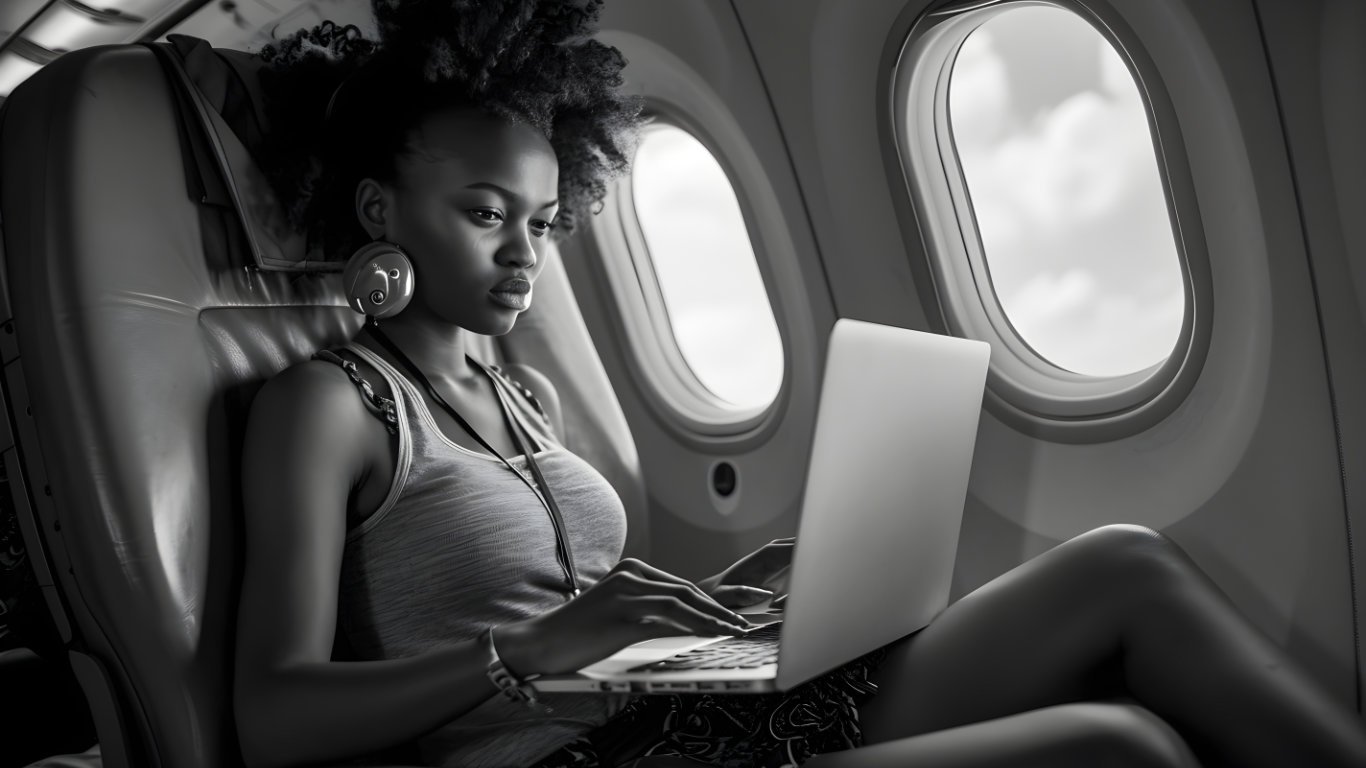
Business Class generates the highest revenue per square foot on the entire aircraft. It carries fewer people yet produces most of the income that keeps long-haul routes alive. Many airlines merged First Class into this section because First, though glamorous, consumed too much space for too little return. Business Class offered comfort with smarter economics, so the layout evolved to match how travellers choose and what airlines need to sustain a route.
Move further back, and the energy shifts. Premium Economy sits at a sweet middle point—still open, still bright, but with just enough room to convince your body it will be fine. Here, the armrests feel firmer, the legroom loosens around your knees, and the rows breathe a little more. Yet beneath this gentle space lies a quiet truth: Premium Economy delivers one of the strongest profit margins in airline seating. It costs the airline only slightly more to operate than Economy, but passengers naturally value the extra comfort and happily pay two or three times the base fare. The seat feels more generous, and the body responds to that small kindness. It’s a choice guided by instinct, even before price enters the equation.
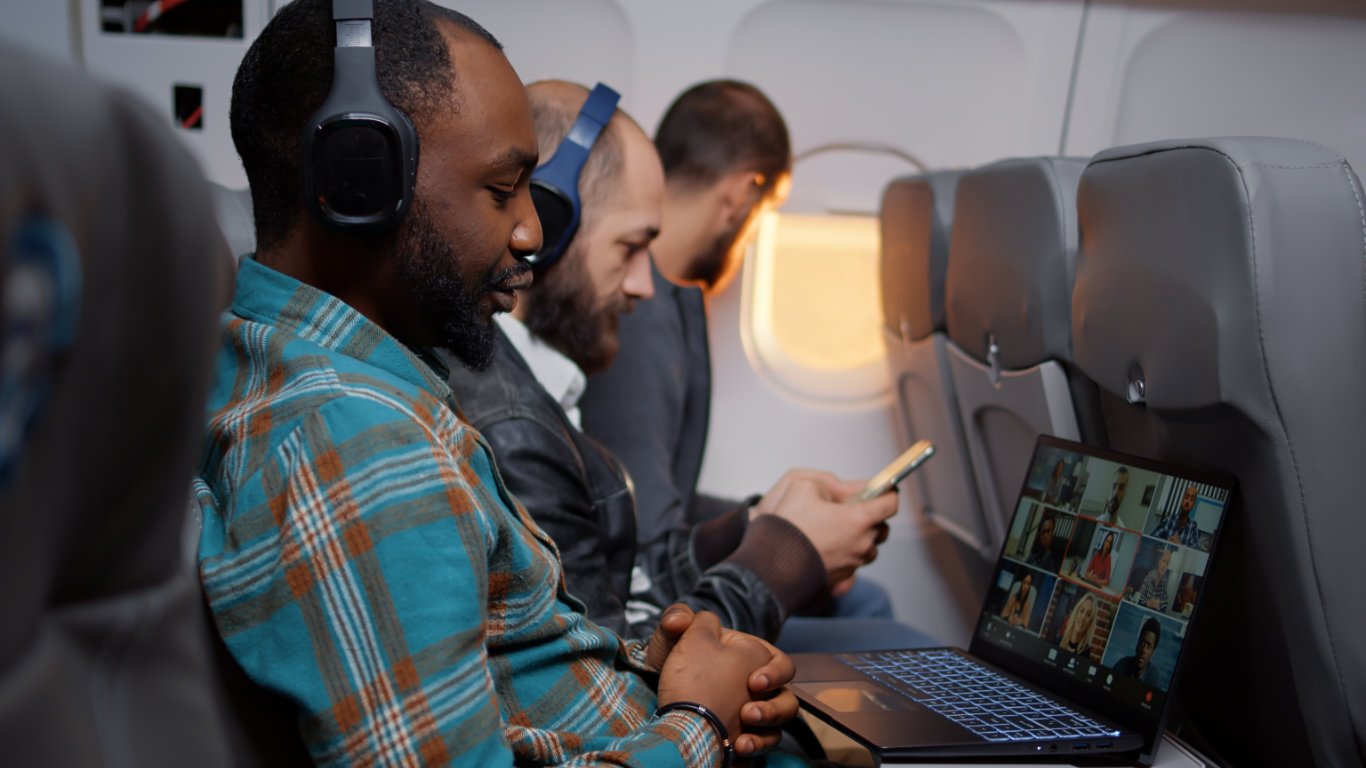
Then comes Economy, the familiar heart of the aircraft. It’s where stories mingle—families flying for the first time, students chasing opportunities, business travellers returning home, and tourists heading toward new landscapes. The seats draw close, yes, but they also pull people into a shared experience. For many travellers, including thousands flying through Nairobi each year, Economy is the gateway to the world. Yet it occasionally brings in the least revenue per square foot, and on some routes, it even edges toward loss. Airlines respond by increasing seat density—not out of disregard, but out of necessity—to keep fares affordable for the people who depend on them most. Even here, the craft of airline seating matters; lighting, colours, and airflow work together to soften the journey.
Behind these sections lies a world of decisions shaped by demand, space, and subtle cues about what travellers value. The cabin becomes a reflection of human choice. When passengers leaned toward something between comfort and affordability, Premium Economy expanded. When the luxury of First Class felt out of sync with its costs, Business Class absorbed it. Every redesign speaks to a balance between comfort, psychology, and sustainability.
Kenyan travellers experience this especially on long-haul flights out of Nairobi. The moment the cabin door closes, a sense of transition settles in. The seat you choose becomes your tiny world for the next eight hours. It carries your fatigue, your excitement, your longing for home, or your anticipation for something new. And understanding how airline seating works—how price, revenue, and space quietly shape your options—helps you choose with more intention.
When you walk into a cabin knowing its story, the flight feels different. You sense the strategy behind each section, honour your own comfort, and pick the seat that aligns with your journey. In that moment, the seat stops being a number on a boarding pass. It becomes part of the adventure itself.

Comment (0)