
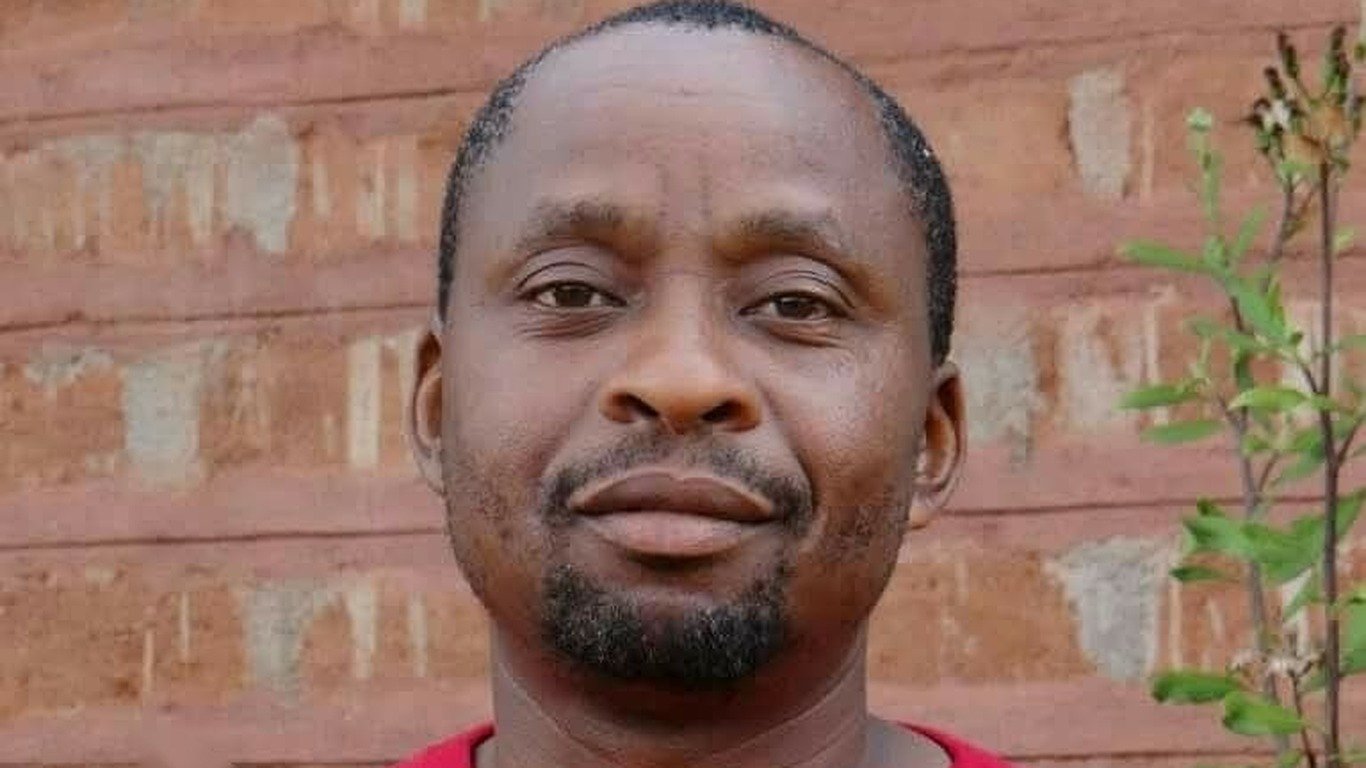
It began with a buffalo. In 2016, at the height of a punishing drought, Patrick Kilonzo Mwalua came across the animal slumped beside an empty waterhole in Tsavo West National Park. No rain had fallen for months. No relief was coming.
That image never left him, and it set the course for the rest of his life.Mwalua was not a scientist or a wildlife official. He was a pea farmer from Kajire village in Taita Taveta County, raised at the foot of the Sagalla Hills in a community that knew human-wildlife conflict all too well.
But he had volunteered alongside rangers since leaving school, and he could not accept that animals should die of thirst while people watched.
So he hired a water bowser in Voi and began ferrying roughly 12,000 litres of fresh water per trip into Tsavo West and the neighbouring Lumo Wildlife Conservancy, several times a week, at about USD 250 a load.
At first, he paid from his own pocket. When critics told him to let nature take its course, he answered that this was not nature at work but climate change — and that humans were responsible for their own actions.
The animals learned fast. Elephants, buffalo, zebras and antelope came to recognise the rumble of his blue truck, gathering at the waterholes before he had even finished pouring. “We are the voice of the animals,” he told AFP.
Then the world noticed. Videos of the “Water Man of Tsavo” went viral, drawing tens of millions of views, and a GoFundMe campaign raised about USD 450,000 between 2016 and 2018. Donations arrived from as far away as Japan, Korea and the United States.Mwalua turned that goodwill into lasting infrastructure.
His team excavated more than 25 waterholes inside the park and built concrete pans that could hold water for four to six months after rainfall. Through the Mwalua Conservation Trust, founded in 2018, he installed two solar-powered pumps in Tsavo West capable of moving 60,000 litres a day to half a dozen water points — a permanent answer to a recurring crisis.
His earlier outfit, Tsavo Volunteers, removed snares and supported anti-poaching work, and he visited local schools to pass his passion for wildlife to the next generation. In 2018, he received a Head of State Commendation.
What few people knew was that Mwalua did all of this while gravely ill. His kidneys had failed years before his story went viral, and he spent a decade on dialysis — often leaving the clinic and heading straight back to the park with a truckload of water. A hoped-for transplant in India never materialised.
Patrick Kilonzo Mwalua died on 18 June 2024 at his home in Kajire, aged 51. His family, his wife Rachel, and the trust he built have vowed to keep the water flowing, and the solar pumps he installed still feed Tsavo’s waterholes today.
Mwalua never claimed he could end the drought, and he could not save every animal. What he proved instead is something simpler and more enduring: that one determined Kenyan with a rented truck can move the world to act. For quenching Tsavo’s thirst and inspiring a generation of conservationists, Patrick Mwalua takes his place in the Kenya Geographic Hall of Fame.

Comment (0)