
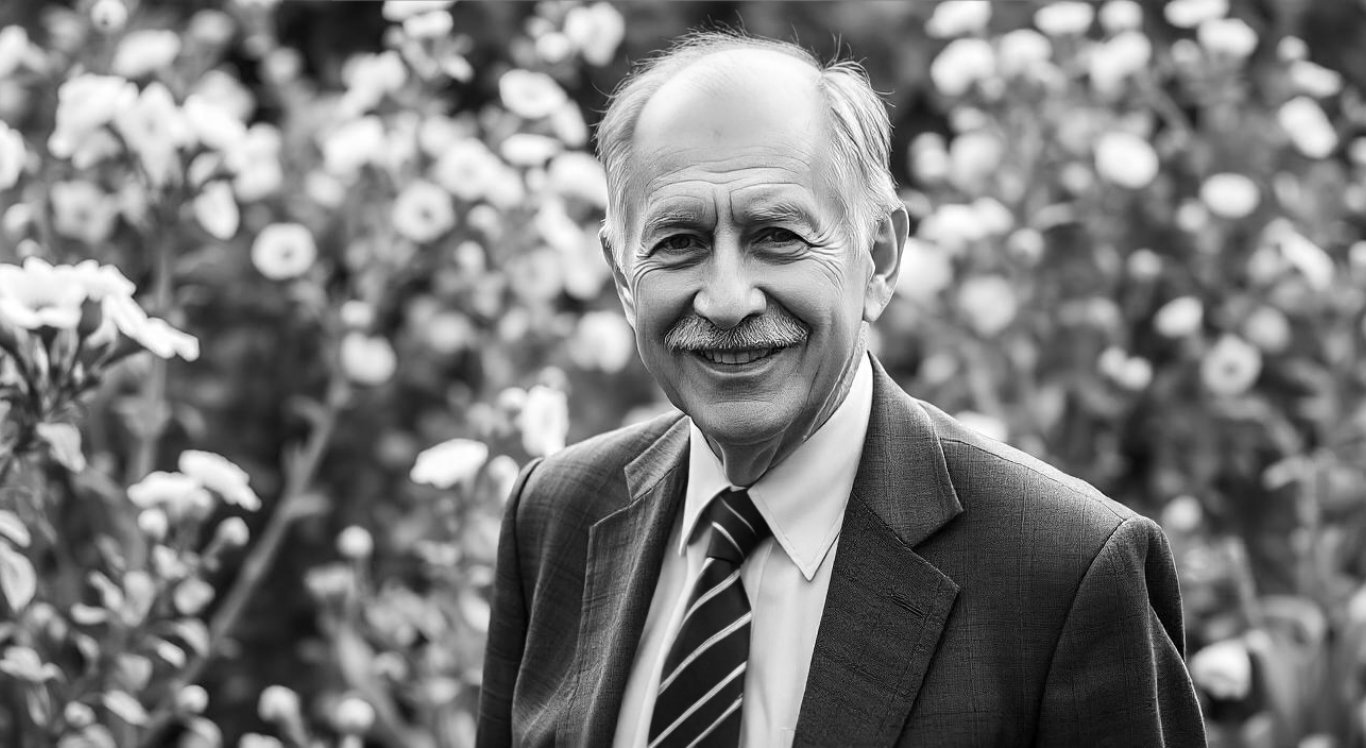
Mervyn Cowie was born in Nairobi, Kenya, in 1909, into a world teeming with wildlife. His father, a seasoned hunter and storyteller, ignited a lifelong passion within him for the untamed beauty of the African bush. Cowie’s childhood was a tapestry woven with tales of big game hunts, the crack of whips keeping lions at bay, and the thrill of encountering creatures that could be both majestic and menacing.
“At night,” Cowie recalled, “I would lie awake listening to the herdsmen cracking their whips to scare away the lions. I wondered what my resourceful mother would do if a lion broke through the flimsy door into our hut.” His childhood experiences laid the foundation for a deep connection with the natural world that would shape his life’s work.
As a young man, Cowie was drawn to the stories of legendary figures like Lord Delamere, who recounted his encounters with charging elephants and angry lions. These tales, often embellished with a touch of bravado, fueled Cowie’s dreams of adventure and his desire to test his courage against the wild.
“I remember his tangled locks, worn down to his shoulders against the heat of the African sun, swinging back and forth as he talked of great hunting adventures,” Cowie later recalled. “I wondered if I would ever have the courage to face an angry lion or a charging elephant.”
While Mervyn Cowie enjoyed the thrill of hunting, he also developed a profound respect for the beauty and grace of wild animals. He questioned the ongoing conflict between humans and wildlife and sought to understand how we could coexist peacefully.
One fateful day, while riding his motorcycle through the bush, Cowie was pinned to the ground by his bike. A lioness approached him, curious but not aggressive. The tense encounter, filled with fear and uncertainty, taught Cowie a valuable lesson: “Man and beast need not spend their time killing each other,” he later realized. “But first, man must learn to suppress his desire to kill, and beast must be afforded a place to live.”
Cowie’s career took an unexpected turn when he returned to Kenya after studying law and accountancy in England. Despite his initial plans for a desk job, his heart yearned for the open spaces and the wild creatures he had grown up with. He witnessed firsthand the decline of wildlife populations due to human encroachment and unsustainable hunting practices.
Determined to protect Kenya’s natural heritage, Cowie embarked on a mission to establish national parks and reserves. He faced significant opposition from farmers and government officials who saw wildlife as a nuisance. Undeterred, he used clever tactics, including anonymously advocating for the slaughter of all wildlife to provoke a public outcry and force action.
His efforts paid off, and in 1946, the Nairobi National Park was established. This groundbreaking initiative paved the way for the creation of other protected areas, including Tsavo, Aberdare, and Mount Kenya.
As the director of the Royal National Parks of Kenya, Cowie faced numerous challenges, from securing funding to managing conflicts with local communities. He tirelessly fought to protect wildlife from poaching and habitat destruction, and his legacy is evident in the thriving ecosystems that exist today.
Cowie’s passion for conservation extended beyond Kenya’s borders. He worked tirelessly to raise awareness about the threats facing wildlife worldwide and advocated for international cooperation to protect endangered species.
Mervyn Cowie was more than just a conservationist; he was a visionary who transformed Kenya’s relationship with its natural heritage. His unwavering commitment to protecting wildlife and wilderness areas has left a lasting impact on the country and the world. Today, thanks to his efforts, lions still roam the plains of Nairobi National Park, elephants wander through the Tsavo bush, and hippos graze in the Mzima Springs. Cowie’s legacy is a testament to the power of one person to make a difference.

Comment (0)