
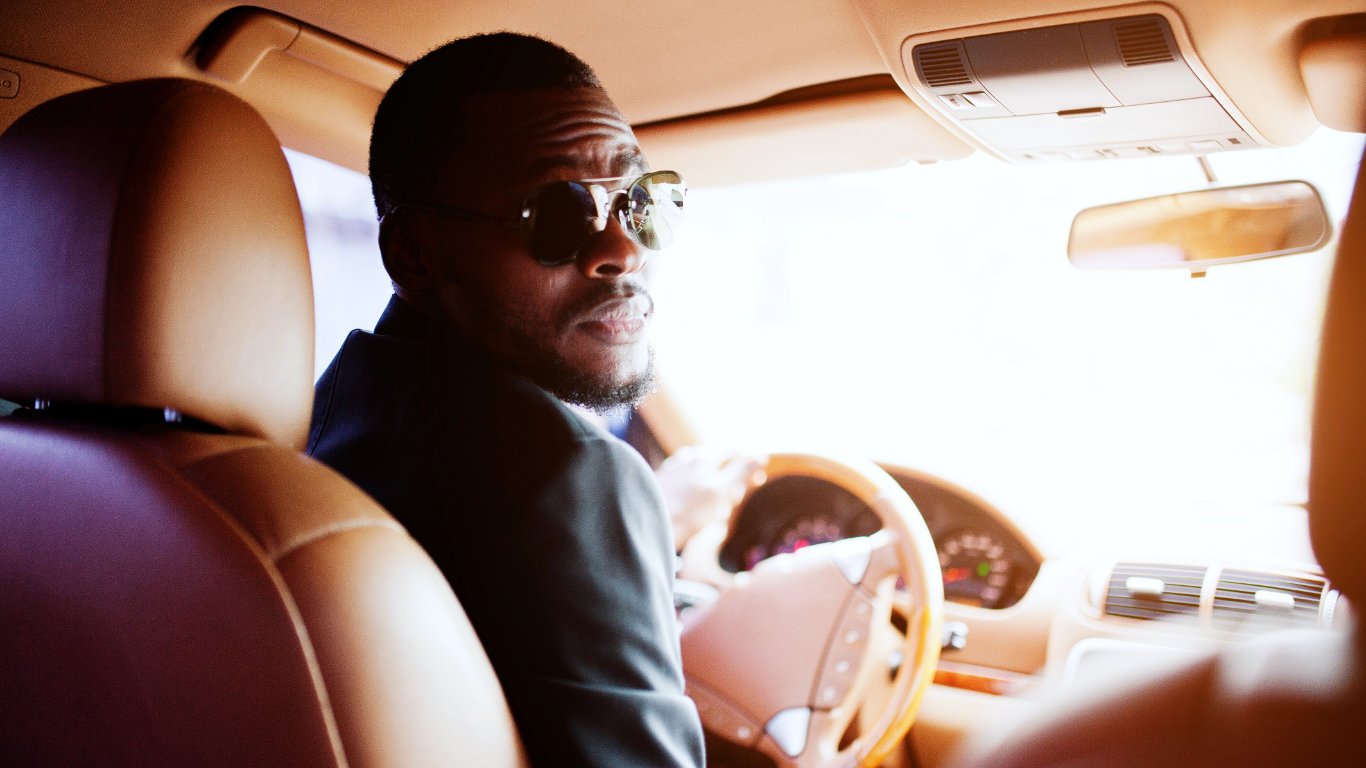
There’s something magnetic about Nairobi’s public transport. Maybe it’s the rhythm of matatus weaving through traffic or the city’s skyline standing tall against the African sun. But for cab-hailing regulars, the real Nairobi pulses in the backseat, between the stories shared and the city lights flickering past. Over three years, I collected a tapestry of Uber backseat stories that bring to life the city’s wild ambitions, whispered conspiracies, and moments of raw humanity. These stories are both amazing and easy to relate to. They are more than just a ride; they offer a glimpse into the heart of Nairobi.
One evening, my Uber driver pointed out a sleek Maybach gliding by. His gaze lingered, reflecting both admiration and a hint of resignation. “See those cars? That’s Nairobi for you—everyone is ‘making it’ overnight,” he said, gesturing at another luxury vehicle. He spoke of the city’s ‘fake-it-till-you-make-it’ culture, of village mates who arrived in the city almost penniless, only to transform into social media stars living impossibly lavish lives within months. When he pressed for their secret, their answer was always the elusive “ni God”. His voice carried the weight of unanswered questions, as conspiracy theories—money laundering, forex, illegal gold deals, even secret societies—filled the gaps left by these ambiguous confessions. All this, packed into a 15-minute ride, was more thrilling than any TV drama.
Not all stories are rooted in the pursuit of fortune. During another ride, my driver presented a stunning alternative to the infamous Shakahola murders. He claimed it had nothing to do with doomsday cults but everything to do with the Hague trials. “You know, those witnesses? They never made it home from JKIA after arriving from The Hague,” he whispered, checking his mirrors as if the city itself might be listening. According to his theory, these witnesses were spirited away to Shakahola, permanently silenced to protect secrets too explosive for daylight. As the city’s lights flickered past, the line between fiction and reality felt paper-thin—one of those Uber backseat stories that lingers long after the door closes.
Politics, too, finds its way into Nairobi’s cabs. During a brisk 12-minute ride, my driver’s eyes flickered with conviction as he leaned in, voice hushed but brimming with certainty. He insisted the infamous fallout between Kenya’s former president, Uhuru Kenyatta, and his deputy was rooted in a dramatic, covert assassination attempt—a plot so shadowy and high-stakes, it rattled the corridors of power and left trust shattered. He painted the story with such vivid detail that for a moment, the passing city seemed to recede, eclipsed by the intrigue inside the car.
Yet, as he spoke, I couldn’t help but reflect on what I knew. The assassination theory, for all its drama and appeal, had been widely debunked—a tale born of the fertile imagination of Kenya’s political rumour mill. I gently offered another perspective: the real turning point wasn’t a secret plot but the famous 2018 “Handshake” between Uhuru and opposition leader Raila Odinga. That single event, I explained, had redrawn alliances and realigned Kenya’s political landscape, placing new distance between Uhuru and his deputy. The driver listened, but he still believed that his version was more true than any official statement. That’s what makes Uber backseat stories so magnetic—every journey holds an opinion, a conviction, or a legend waiting to be heard, even if it stands in stark contrast to reality.
On a different day, my driver’s frustration simmered over the constant strikes disrupting Nairobi’s ride-hailing sector. He mapped out the economics of survival: the lion’s share of profits going to the highly connected powerful, while the drivers—struggling with loans, fuel, repairs, and daily family needs—bear the brunt. The once lucrative business had lost its appeal as competitors flooded the market. “The first ones made money. Now, I juggle several platforms, just trying to spread my risks,” he explained, his words as practical as the city’s relentless hustle. It’s a story echoed in the rise and fall of other sharing economy ventures, like Airbnb, and a bittersweet reminder that the entrepreneurial gold rush always leaves someone behind.
Sometimes, the chaos of the city inspires dreams of a far-flung escape. One afternoon, my driver wondered aloud if Mars or Jupiter might offer better prospects than Nairobi’s crumbling systems. With taxes rising, opportunities shrinking, and impunity reigning supreme, his frustrations soared higher than any matatu rooftop graffiti. “Kama ningekuwa na uwezo, ningehamia Mars,” he joked. I wanted to suggest the Mars Initiative or the Mars Society, two organisations devoted to interplanetary living. The Mars Society, after all, isn’t just a science fiction club—it’s a global movement exploring real pathways for human settlement on Mars. For a fleeting moment, the city’s broken promises faded, replaced by a wild hope for fresh beginnings on another planet.
Yet, nothing captures Nairobi’s complexity like its clandestine love affairs. My most unforgettable Uber backseat stories revolve around midnight confessions: young people tangled in relationships with older partners, chasing champagne wishes and caviar dreams. These stories share a remarkably similar plotline. Grand mansions, luxury cars, and a youthful college or sometimes even high school student involved in illicit love affairs all play a significant role in these stories.
Then betrayals occur, bringing with them the loss of cherished treasures such as black cards with no spending caps, car keys, apartments, and unforgettable vacations. Remarkably, it is the Uber driver who whisks them back to the modest life they once knew, the brief taste of opulence evaporating as dawn breaks. Sometimes, it’s older women or sugar daddies (mubabas) discreetly shuttled from secret rendezvous to their homes in time for dinner, their stories hidden beneath Nairobi’s polished veneer. No wonder they call it “Kanairo”.
Every ride in Nairobi holds the potential for discovery. Uber backseat stories in Nairobi are more than just tales; they embody Kenya’s evolving identity, struggles, humour, and hope. Next time you find yourself in an Uber, lean in. Nairobi’s most captivating stories are always just a conversation away.

Comment (0)