

Taita Hills are not only a hidden gem, but also a historic treasure. One of the treasures found at the foothills of the hills is the Kino caves, or Kenyatta Caves. Now, a quick Google search will reveal to you that these caves are associated with Kenya’s first president, Mzee Jomo Kenyatta. Allow me to take you on a journey through the cave’s fascinating history. Did you know it served as a hideout for three East African presidents? Kenya’s Mzee Kenyatta, Tanzania’s Mwalimu Julius Kabarage Nyerere, and Uganda’s Milton Obote.
Most Kenyans are familiar with the “Kapenguria Six,” a title given to the six Kenyan nationalist leaders who were arrested for their roles in the Mau Mau Uprising in 1952. The Kapenguria Six consisted of Jomo Kenyatta, Bildad Kaggia, Paul Ngei, Ramogi Achieng’ Oneko, Fred Kubai, and Kungu Karumba. However, there is actually a seventh member, Zephania Nyambu Mwakio. Although Mwakio was not detained in Kapenguria, he was held at Shimo la Tewa during the same period as the Kapenguria Six. Additionally, he is the landowner of the site where the historic Kenyatta Caves are located.
The Kenyatta Caves served as a hideout for the Mau Mau heroes during the colonial crackdown in British Kenya. Between 1948 and 1952, when Kenya was declared a State of Emergency by Sir Evelyn Baring, several Mau Mau freedom fighters were arrested. They are listed below by the old Kenyan provinces:
Coast Province
- Zephania Nyambu Mwakio
- Norman Lukindo
- Mengo Woresha
- Ronald Ngala
- Danson Mwanyumba
- Jimmy Mwambichi
- Patrick Chombo
- Alexander Dingiria
Central Province
- Mzee Jomo Kenyatta
- Mbiyu Koinange
- James Gichuru
- Pio Gama Pinto
- Dedan Kimathi
- Kung’u Karumba
- Bildad Kagia
Nyanza Province
- Jaramogi Oginga Odinga
- Tom Joseph Mboya
- Achieng’ Ramogi Oneko
Eastern Province
- Paul Ngei
Western Province
- Masinde Muliro
- Martin Shikuku
Rift Valley Province
- Fred Kubai
In the Kenyatta Caves, these national heroes devised plans to overthrow the colonial regime in Africa during the 1950s. Mzee Zephania Nyambu Mwakio, a political activist and founder of the Taita Hills Association, a political lobby group in Taita, hosted Kenyatta and his allies.
Oral accounts from late Mwakio’s family members indicate that Nyerere and Obote often visited these caves. During their visits, they exchanged ideas with Jomo Kenyatta, primarily discussing strategies to challenge Western powers.
Charles Mlekenyi, one of Mwakio’s sons who inherited the land on which the historic caves stand, recalls how visitors, including freedom heroes, used to flock to their home during his childhood. “I remember that we often spent sleepless nights as the police searched every corner of our homestead for Mr Kenyatta and his group,” says Mlekenyi. “Mwakishaluwa, a well-known Taita traditional medicine man, frequented the cave to administer charms to protect the group from threats,” he adds.
Visitors have an excellent opportunity to delve into this rich history through the stories of Mzee Nyambu’s last surviving widow, Mrs Sylvia Manga Mwakio, who is an inspiring 102-year-old. Residing in the charming Mdidinyi village, just 30 kilometres east of Wundanyi town, she embodies her family’s legacy. Even at her remarkable age, the traditional tattoos on her skin tell tales of a vibrant past.
Dr Livingstone Mghenyi, the founder of Mlilo Tours and Travels and the National Chair of the Domestic Tourism Association – Kenya, was among the first to connect with Mrs Mwakio. During their conversation, she warmly shared her experiences, reminiscing about the countless guests who graced her home. With genuine passion, she described how she joyfully prepared meals for them at her former Mwanguwi residence, unaware of the profound impact her hospitality had on the nation as a whole.
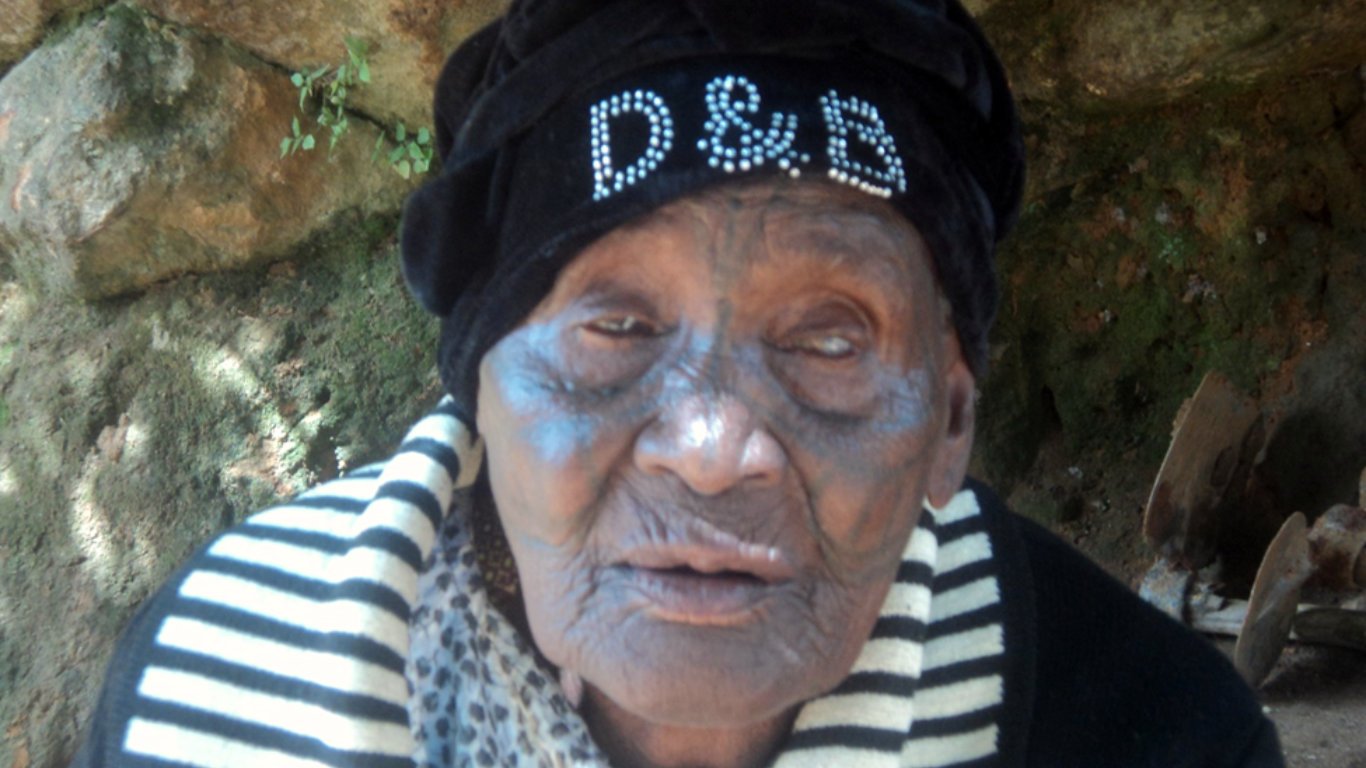
“My husband had many visitors and I used to move heaven and earth to prepare meals for them every day,” reminisces Mrs Mwakio. She, however, said women were not allowed inside the main caves, and whatever transpired beyond the underground caves remained a top secret among freedom fighters. “Our duty as women was to prepare meals for the guests. They only trusted one of my sons, Mwanyumba, who used to serve them food in the caves,” says Mrs Mwakio.
She shares that Mzee Kenyatta and his companions were passionate advocates for African culture. They favoured the authenticity of eating with their hands rather than using utensils. “Whenever Mwanyumba presented them with traditional dishes like cassava, sweet potatoes, milk, eggs, and meat, they embraced this custom fully, believing that using spoons would inadvertently promote colonial influences,” she remarks with conviction and appreciation.
Mrs Mwakio fondly remembers the day when Mbiyu Koinange visited and found her outside her home. He asked her to name her youngest son after him. To date, he is known as Peter Mbiyu Koinange. Reflecting on her late husband, she shares, “He passed away a humble and broken man, as his heartfelt attempt to seek assistance at State House in Mombasa coincided tragically with President Kenyatta’s passing.” Her story captures a blend of warmth and resilience that remains deeply inspiring.
Mzee Nyambu reportedly collapsed in the streets as he prepared to meet his former comrade-in-arms, Mzee Kenyatta. The news of President Kenyatta’s death triggered a psychological imbalance in him that persisted until his own passing on November 26, 1993.
Kenyatta Caves Museum
While it may not be officially recognised, the beautifully renovated Kenyatta Museum near the caves is a remarkable site to visit. Here, you can admire the traditional bed, crafted from cowhide and supported by nail straps, where Mzee Jomo Kenyatta once slept.
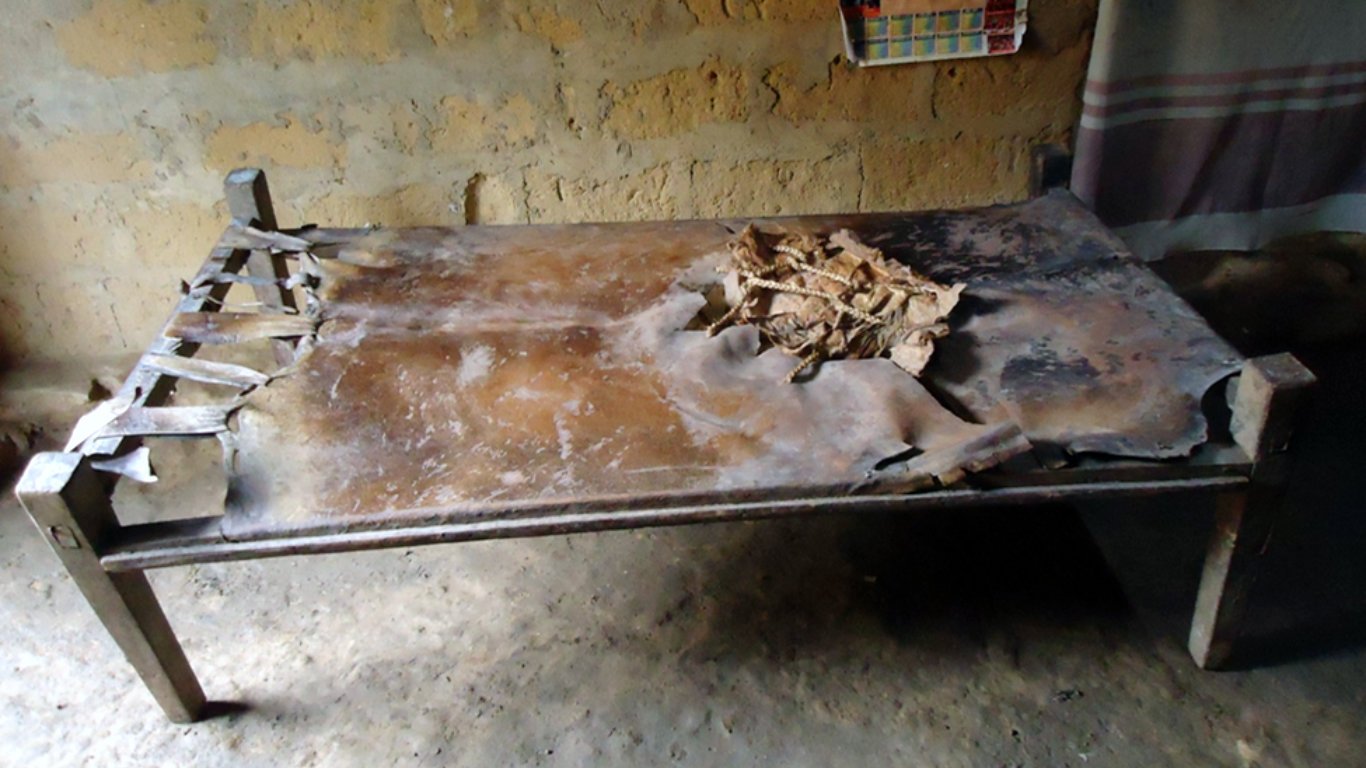
The local community holds a heartfelt belief that resting on this cherished bed can inspire the birth of a remarkable child. The bed shown above has a significant history: it once belonged to the late Kenyatta, when he lived at Zephania’s home before seeking refuge in the caves. During their courageous stay in the caves, these heroes made do with dry banana leaves and hides for bedding, showcasing their resilience and spirit.
Other items that you can find in the museum include:-
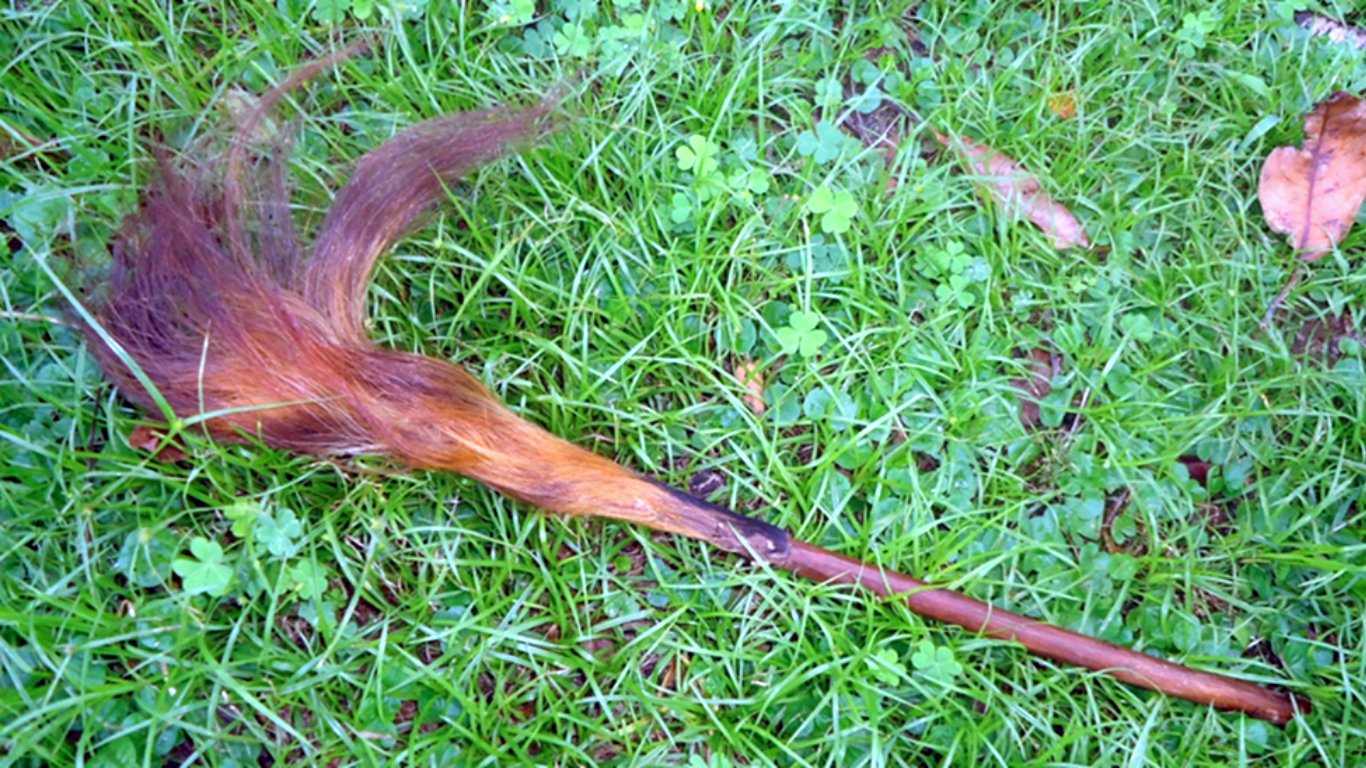
Kenyatta’s Fly Whisk
The fly whisk was the only personal possession Mzee Jomo Kenyatta left behind. The whisk originally came from a cow, but he later adopted a horse’s whisk as his emblem.
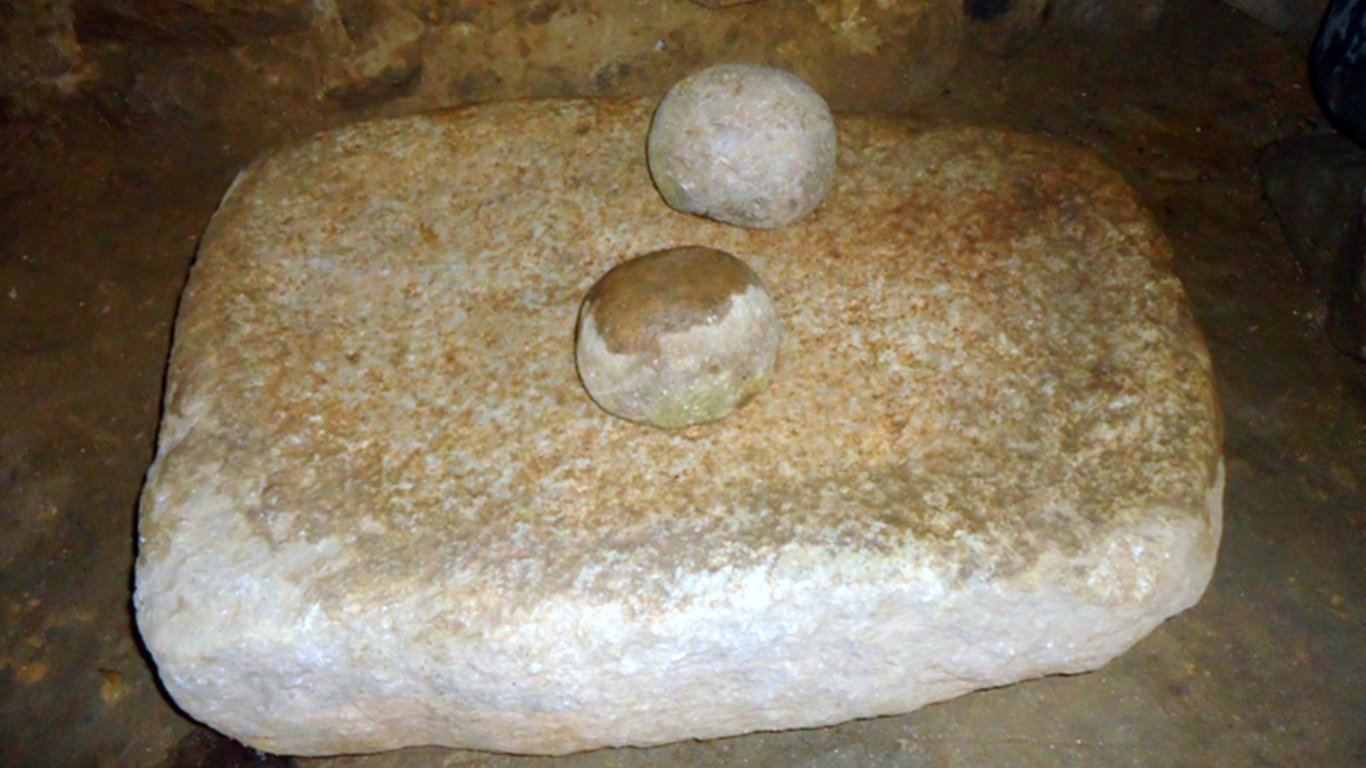
Grinding Maize Millstone
The grinding millstone, an ancient kitchen utensil, was used to grind cereals into flour.
Kisorongo (Euphobiacandelebrum)
The Kisorongo functioned as a source of light at night during the freedom fighters’ stay at the Kenyatta caves.
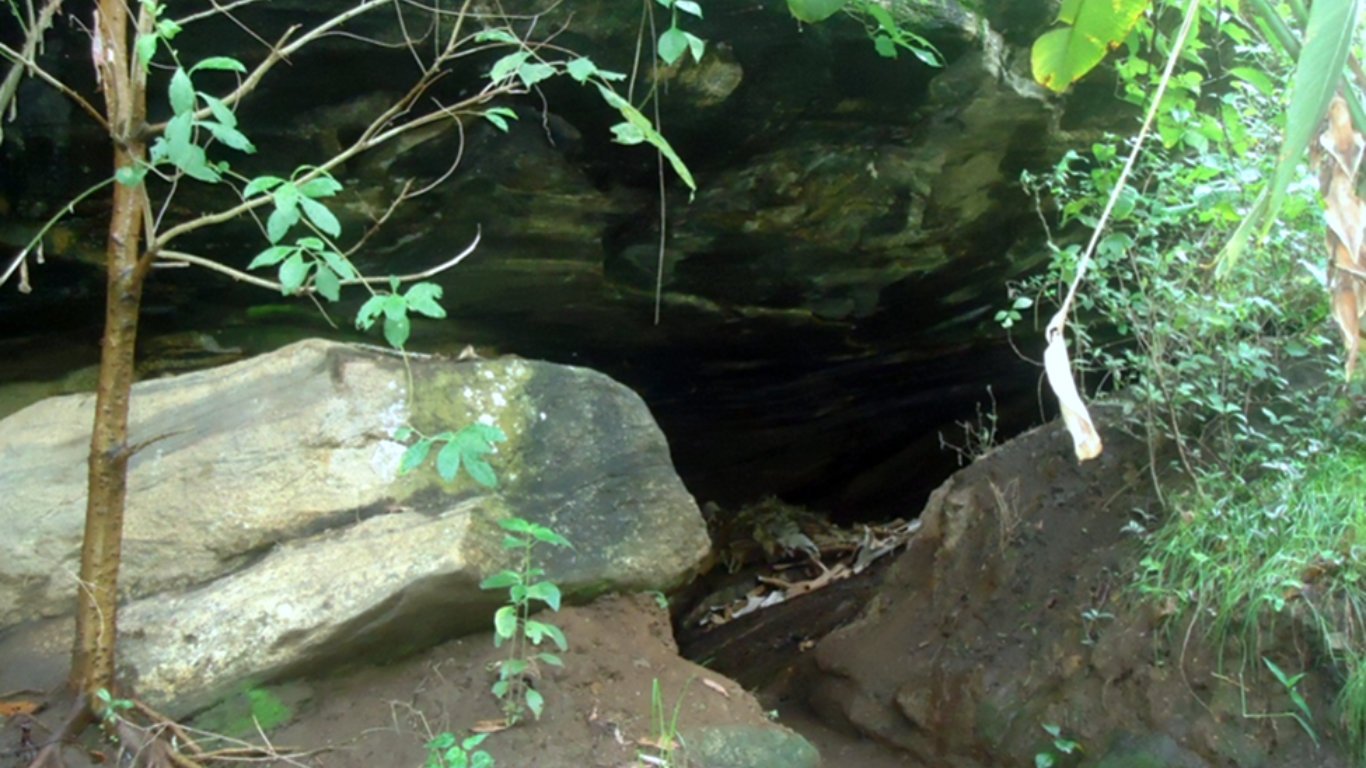
The Guest Wing Cave
During his time in the Kenyatta caves, Mzee Jomo Kenyatta graciously welcomed distinguished friends from the region, including the esteemed Mwalimu Julius Kabarage Nyerere of Tanganyika and Milton Obote of Uganda. Accompanied by Oginga Odinga, Tom Mboya, the host Mzee Zephania Nyambu Mwakio, and his son Charles Mlekenyi, Mzee Kenyatta would depart from his cave to receive his guests warmly. Notably, the “guest wing,” located a short distance away, was thoughtfully created to ensure comfort and hospitality. Mzee Kenyatta believed in honouring guests appropriately, famously stating, “You cannot receive a guest in your bedroom,” which underscores his deep regard for tradition and respect.
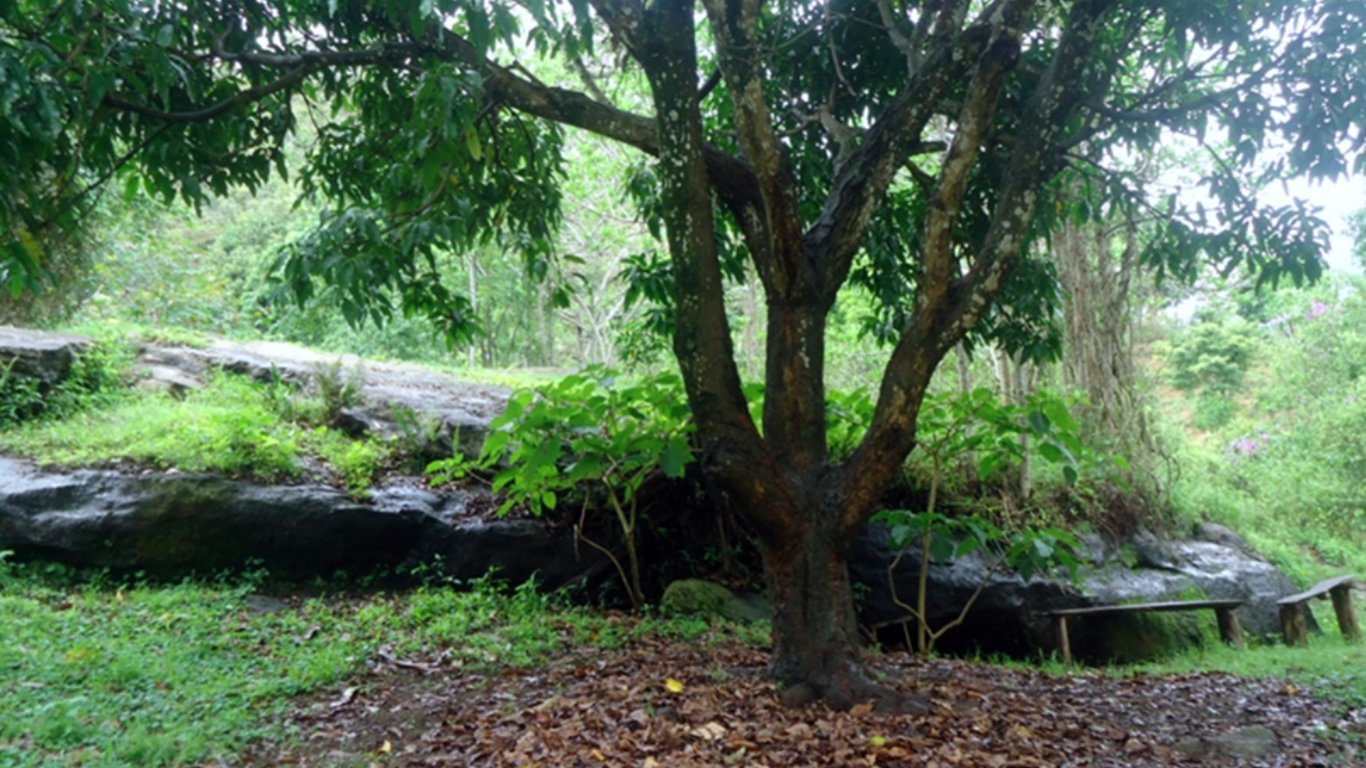
Basking area
Upon entering the caves, you will discover, to your right, a charming spot where the freedom fighters would gather to soak in the sun after their engaging discussions. Here, they savoured refreshments and shared laughter during the serene moments of the sundowner.
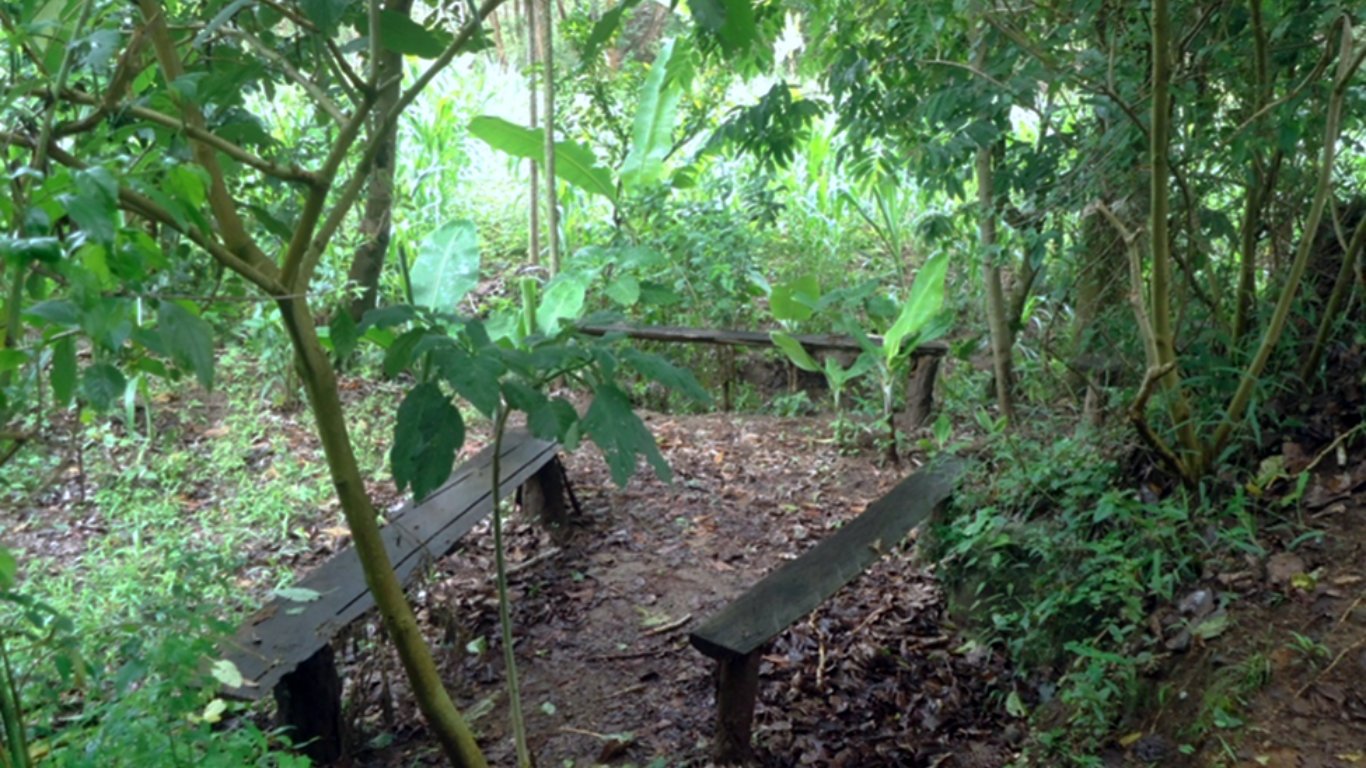
Intestinal Analysis
A few metres away from the basking area, an intestinal analysis was conducted under the guidance of a prophet named Mwakishaluwa Mkamba. This unconventional practice involved capturing a male goat, placing a folded male wandering jew plant in its mouth, and blocking its nostrils to suffocate it. After this, the goat was struck once with a fist as a means of communication. Once the procedure was complete, the goat was cut open, and its intestines were removed and placed on green banana leaves to keep them clean and prevent contamination from the ground.
What, How, Why
Three goats provided valuable insights that helped the prophet make his predictions. Each goat followed the same established procedure: starting with Kenya, then Tanganyika, and concluding with Uganda. Ultimately, Mwalimu Julius Nyerere emerged as the inaugural President of Tanzania post-Independence, while Milton Obote became Uganda’s first President. This remarkable journey led to Tanzania achieving Independence in 1961, followed by Uganda in 1962, and finally Kenya in 1963.
Kenya was the final addition due to its designation as a British Colony in 1920, which granted it considerable colonial authority. Remarkably, the analysis foresaw that Mzee Kenyatta would face arrest, along with other freedom fighters, such as the Kapenguria Seven. It also said he would emerge as Kenya’s first president.
The same intestines used for the analysis would later be used for stew, which is why they were placed on green banana leaves. The Taita people applied a similar analysis in special and unique cases with high accuracy. The Meru people used a similar technique.
During the meetings, each member would contribute one shilling. They would then use the money to purchase a cow. In those days, a cow went for KES100, while a goat cost KES20. As the seventh member, Mzee Zephania Nyambu Mwakio served as both the treasurer and cashier. And so in these caves, the Harambee System was born as a means to raise funds whenever a need arose.
Certain areas of the terrain, including the host cave, which served as a gathering place for the freedom fighters, were off-limits to women. The prevailing belief was that a woman would not be able to endure suffering and, without hesitation, would reveal secrets. For example, if she were captured, it was feared she would disclose the location of Mzee Kenyatta and the other freedom fighters, as she would likely succumb to torture.
This is why women like Mrs Sylvia would bring food to the freedom fighters and later return to collect the utensils. It is also why women never took oaths. Kenyatta Caves were surrounded by a thick forest filled with indigenous trees such as Mulungu, Mgima, Mumoraa, Msuruwanche, Mwadindo, Mukonya, Mumosi, Mvumu, Mkuyu, and Kisorongo, many of which still exist today.
Since illness is inevitable, the freedom fighters exercised caution by utilising the medicinal trees found in the forest. Among these trees were Munyama, which treats influenza; Kimbungu, used to prevent excessive bleeding in women; Mpera and Mzurubali, both effective against typhoid; Kilimang’ondi and Lugaramba, which aid in blood clotting; Mwachumbi, for stomach upset; and Msoko, to counteract poisoning. Mwakiwawira was used for treating livestock, while Mwaigonyi, a shrub, was employed to make arrows.
Kenyatta Caves is a Place of Wonder
The Kenyatta Caves are truly a breathtaking experience for every visitor! This remarkable location offers a wonderful opportunity to delve into history and discover the rich Taita culture. There is so much more to explore beyond what this article mentions. Notably, these caves served as burial grounds for preserving the skulls of esteemed community leaders, reflecting the deep cultural significance they held. I encourage everyone to visit and appreciate this incredible heritage!
Local leaders have proposed that the caves be officially recognised and preserved as a historic site to honour the role the Taita people played in the struggle for independence. The community has also worked tirelessly to maintain the caves and preserve the legacy of the people who used them.
Local and international visitors have the excellent opportunity to preserve the beauty of the Kenyatta caves by exploring this hidden gem and engaging with remarkable individuals such as Mrs Sylvia Mwakio. Tragically, like many Mashujaas, her life is marked by the shadows of poverty and neglect.
Comment (0)