
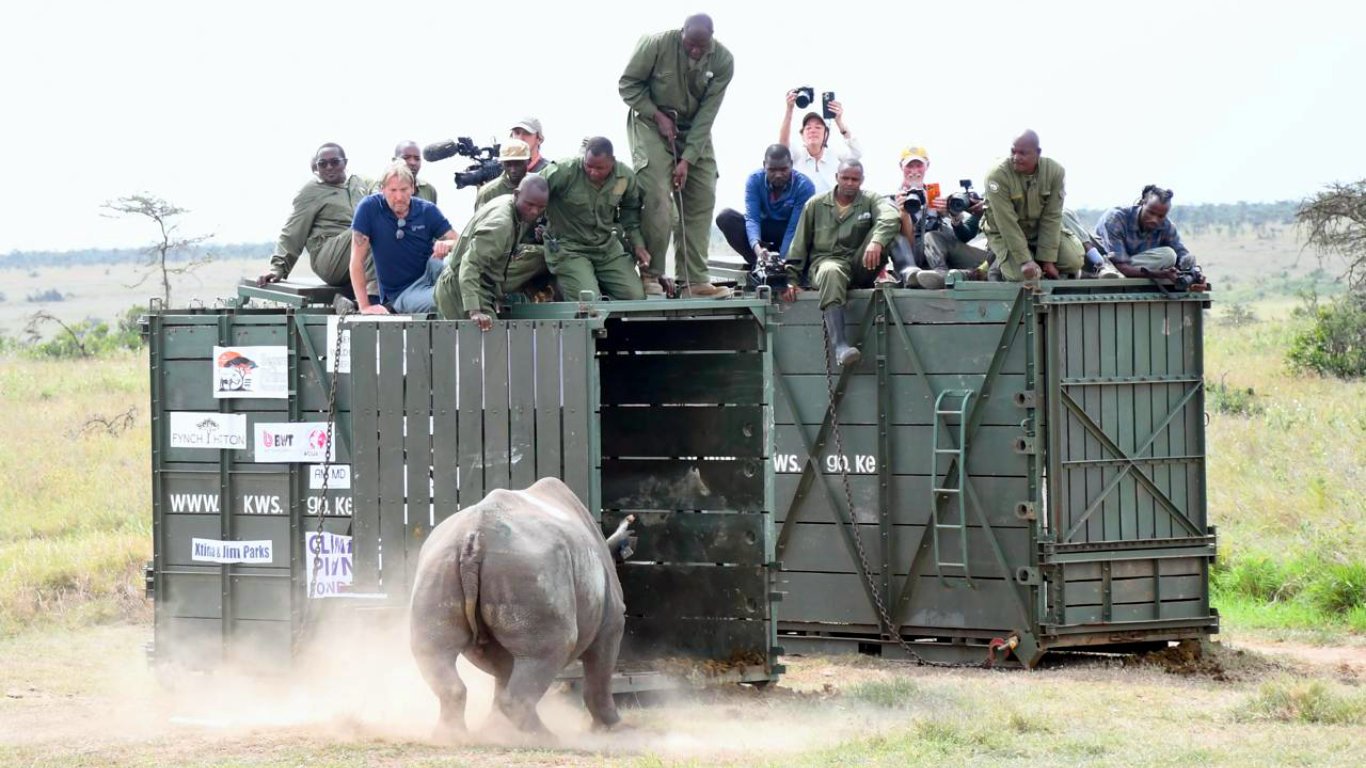
In a historic day for conservation, a groundbreaking rhino translocation exercise was launched at the stunning Segera Conservancy. This initiative, a high-profile collaboration between the Kenya Wildlife Service (KWS) and the ZEITZ Foundation, promises to redefine the future of rhinos in Kenya. Here, we explore the profound implications of the Segera Rhino translocation, focusing on wildlife conservation, community engagement, and ecological sustainability.
The natural splendour of Laikipia County becomes the stage for an audacious dream — to establish one of the largest rhino sanctuaries globally. This exercise will transfer 21 critically endangered eastern black rhinos to a sprawling 50,000-acre conservancy. Such ambitious undertakings deserve attention for their capacity to champion wildlife and unite communities.
Kenya holds 80% of the world’s eastern black rhino population, making its conservation efforts extraordinary. In 1989, the black rhino population dwindled to a mere 384. Fast forward to the end of 2024, and this figure has surged to 1,059. This growth story represents the tireless efforts of conservationists and showcases a collaborative spirit, bringing together national and local governments, communities, and conservation partners.
“Every rhino represents a commitment to preserve our planet’s biodiversity,” noted Hon. Miano. The Segera Rhino translocation embodies this commitment, extending far beyond mere figures to resonate with the heart of conservation.
At the core of this operation lies the vision to connect Segera with other conservation areas, creating a vast contiguous habitat for the rhinos. Prof. Erustus Kanga, Director-General of KWS, articulated this vision: “This translocation marks a significant milestone to reactivate new conservation frontiers in Northern Kenya. Establishing the Segera Rhino Sanctuary anchors a new era of rhino preservation.” Such breakthroughs hinge on the understanding that wildlife thrives where governance and land stewardship are harmonious.
During the launch, ZEITZ Foundation’s founder, Jochen Zeitz, emphasised the project’s multifaceted impact on wildlife and local communities. He stated, “By giving the rhinos a new expansive home, we expect to see these numbers increase significantly while benefiting local communities and enhancing biodiversity conservation.” His vision highlights an innovative approach to conservation that could inspire similar initiatives worldwide.
An engaging component of the Segera Rhino translocation involves enriching local communities. The project promises employment opportunities, capacity-building programs, and a strengthened conservation economy. This approach benefits wildlife and empowers the people who coexist with these majestic animals. This nexus between wildlife conservation and community development illustrates a forward-thinking model that echoes the sentiments of the global conservation community.
The rhinos selected for translocation have been carefully chosen from the nearby Ol Pejeta Conservancy (OPC). Samuel Mutisya, OPC’s head of Research and Species Conservation, stated, “We believe the future of black rhinos hinges on strategic range expansion and collaborative conservation.” Their move represents more than just transportation; it symbolises hope for a burgeoning population poised for success in a well-managed ecosystem.
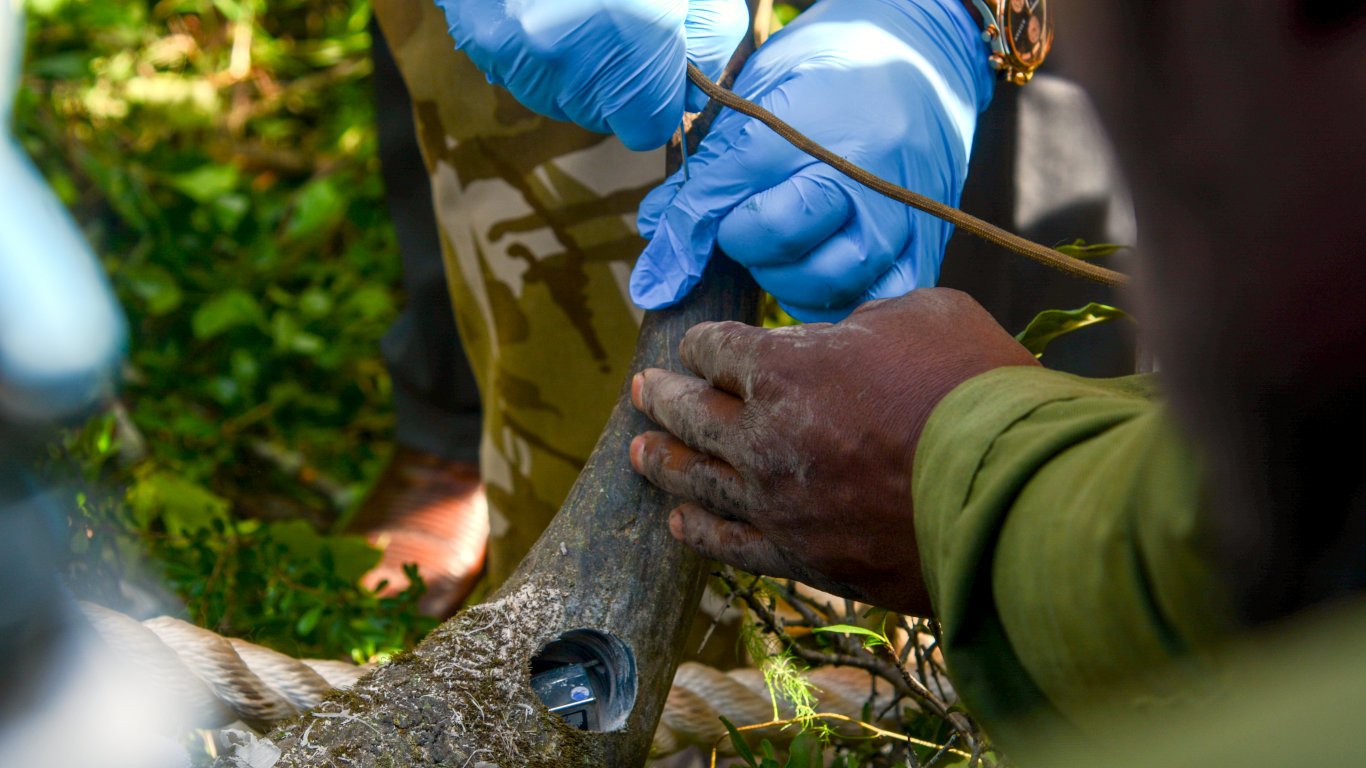
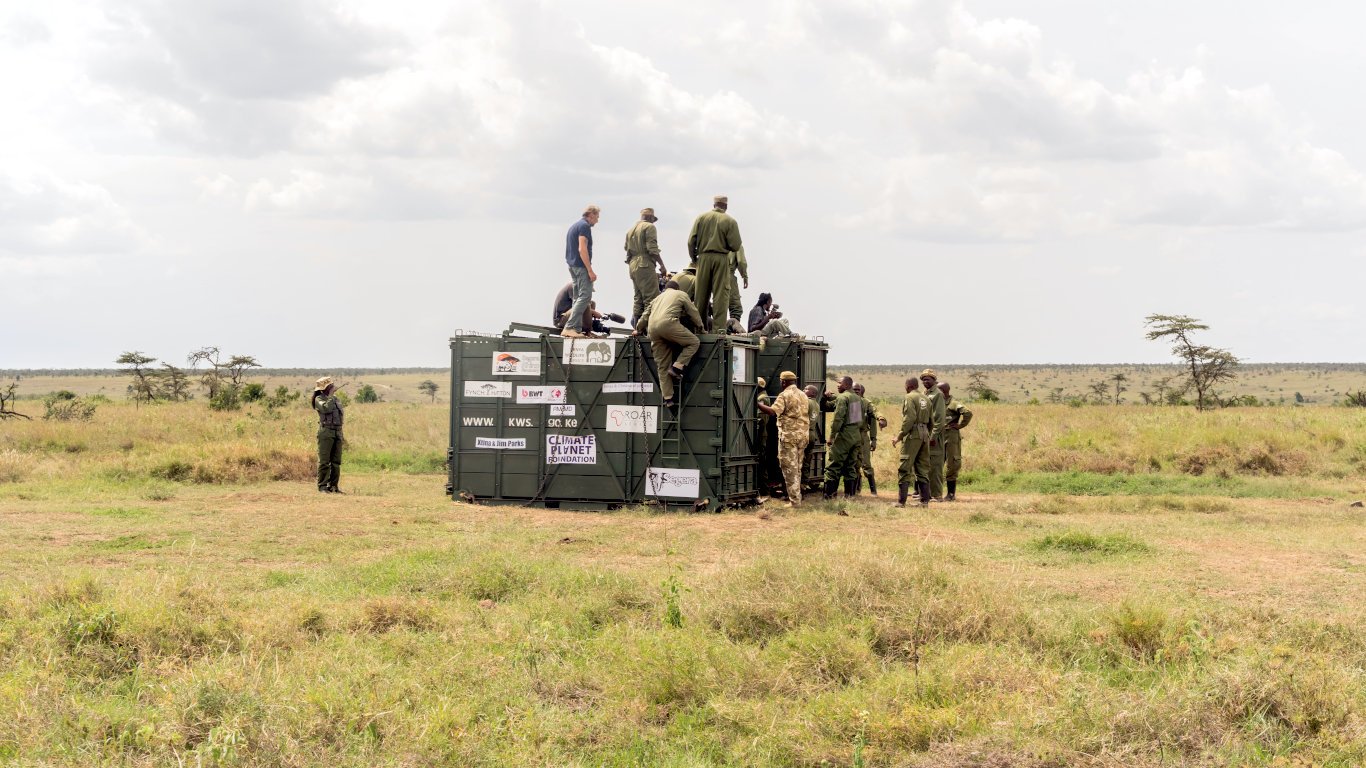
The rhinos’ translocation is a carefully planned process that will take place over 18 days. During this time, KWS specialists will closely monitor the animals to ensure a successful adjustment to their new environment. Enhanced security measures will be implemented to protect the rhinos and the conservancy’s overall biodiversity, reinforcing the importance of safety during this critical transition. The Segera initiative emphasises respect for existing land rights, fostering community trust and collaboration for long-term success in conservation efforts.
A vital aspect of the Segera Rhino Sanctuary is its contribution to the national target of increasing the black rhino population to 2,000 by 2037. This initiative is crucial in restoring ecological balance by alleviating overcrowding in existing habitats. Improved environmental monitoring will facilitate sustainable habitat management while addressing the complexities of human-wildlife interactions, underscoring the urgency behind these conservation efforts.
The Segera Rhino translocation represents a hopeful advancement in wildlife conservation, supported by organisations like KWS and ZEITZ, which emphasise scientific research and community involvement. This initiative highlights the potential collaboration between humanity and nature and marks a new chapter in Kenya’s conservation narrative, inspiring future conservationists. It invites travellers and nature enthusiasts alike to engage in the ongoing story of the rhinos at Segera Conservancy, reminding us that every journey of hope starts with a single step.

Comment (0)