
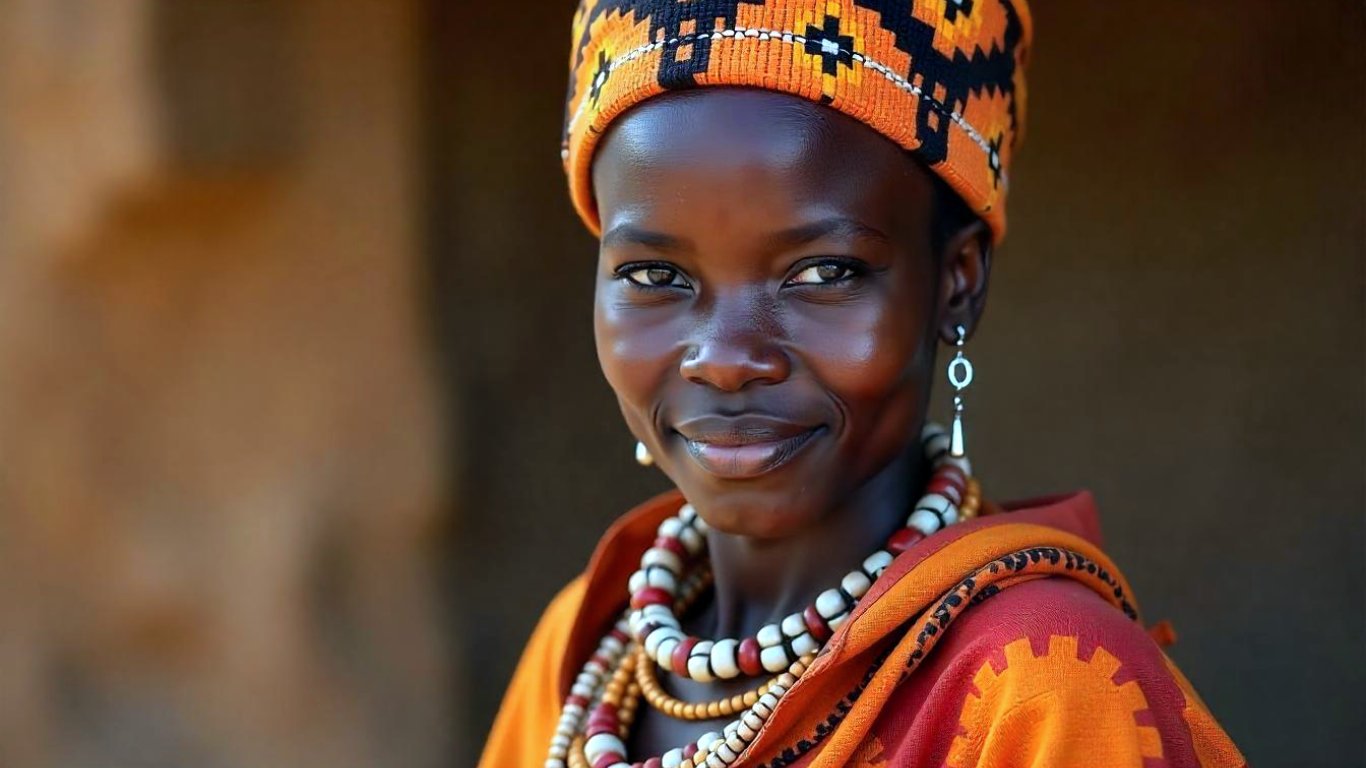
A captivating cultural tapestry thrives in Kenya’s coastal region, exemplified by the Mijikenda people. The term “Mijikenda” translates to “nine towns” or “nine districts,” a nod to the nine distinct tribes that form this vibrant ethnic cluster. These tribes, including Giriama, Chonyi, Kambe, and others, each possess their language, customs, and traditions, weaving a rich mosaic of Mijikenda culture.
One striking facet of this diversity is the languages spoken among the Mijikenda. Rooted in the Bantu family, these languages have evolved independently, a testament to the unique history and tribal identity that shape them.
The heart of Mijikenda culture beats with customs and traditions. These practices are embedded deeply in daily life, from rite-of-passage ceremonies to communal celebrations. Notably, the Giriama’s Dodo Festival and the Digo initiation rituals stand as distinctive cultural expressions.
But what indeed enchants the observer is the renowned wood carvings, especially the intricate doorposts. These carvings, both practical and symbolic, are masterpieces. Crafted with meticulous skill, they bear geometric patterns, human figures, and symbols, conveying profound messages about family history, social status, and spiritual beliefs.
While sharing common elements, the spiritual beliefs of the Mijikenda tribes exhibit unique distinctions. The fusion of indigenous beliefs with Islam creates a spiritual blend with varying rituals among the tribes.
This diversity fosters a dynamic cultural landscape where each tribe contributes to the collective identity while preserving its distinctiveness. It unites the Mijikenda people and safeguards the individual cultural heritage of each tribe.
Moreover, Mijikenda wood carvings, especially the doorposts, are more than mere adornments. They serve as intricate expressions of art, symbols of cultural identity, and repositories of historical narratives in this coastal Kenyan community. Their combination of functionality and symbolism mirrors the depth and complexity of Mijikenda culture.
Cultural festivals among the Mijikenda are lively celebrations that reflect their rich identity and traditions. For instance, the Dodo Festival of the Giriama tribe is a captivating display of traditional dances, music, and rituals, offering entertainment and a vital channel for cultural transmission.
These festivals are more than mere spectacles. They incorporate symbolic rituals and ceremonies rooted in spirituality and ancestral veneration. Initiation ceremonies, integral to the celebrations, mark life transitions and pass on cultural wisdom to the younger generation.
Festivals also nurture a sense of community and unity. They are occasions for social interaction, relationship building, and dialogue, contributing to community cohesion. By adapting to contemporary contexts, these festivals ensure the continued relevance of Mijikenda culture. In essence, these festivals play a vital role in the social, cultural, and spiritual life of the Mijikenda, affirming their identity and preserving their cultural tapestry.
Another significant aspect of Mijikenda culture is their initiation ceremonies. These rites are profound transitions from childhood to adulthood, signifying physical and cultural transformation. They impart values, ethics, and skills, bridging the gap between generations and fostering a sense of belonging within the community.
The Mijikenda people’s unique cultural syncretism is a striking feature. They harmoniously blend traditional African beliefs with Islamic tenets, creating a distinctive cultural fabric that integrates elements from both traditions. This synthesis Reflects their spiritual practices, rituals, places of worship, art, dietary habits, and attire.
The Mijikenda’s ability to adapt their cultural practices to align with Islamic principles demonstrates their resilience and adaptability. This syncretic approach preserves their cultural heritage and ensures the traditions remain relevant in a changing world.
In summary, the Mijikenda are a living testament to the power of cultural diversity, artistic expression, and harmonious coexistence. They showcase the ability to maintain their traditions while embracing external influences, creating a unique and resilient cultural identity in the coastal regions of Kenya.

Comment (0)