
In the sun-baked streets of modern-day Turkey, a 4th-century bishop named Saint Nicholas launched what would become a worldwide phenomenon of giving. His midnight missions, dropping gold coins into three poor sisters’ stockings hung by the fire to dry, ignited the spark that would evolve into Santa Claus.
Through centuries of European folklore, this tale of generosity transformed across cultures and continents. Dutch settlers carried their cherished “Sinterklaas” tradition to New Amsterdam, where American culture shaped him into the jolly figure we recognise.
The year 1823 marked a turning point when Clement Clarke Moore crafted “‘Twas the Night Before Christmas.” His verses brought to life the magical elements we treasure: flying reindeer, chimney deliveries, and December 24th traditions. Moore’s portrayal of Santa Claus as a “jolly old elf” steered the character away from religious roots toward enchanting fantasy.
Thomas Nast’s illustrations in the 1860s cemented Santa’s iconic features. His drawings established the North Pole workshop, the famous list of good and bad children, and the signature white beard and red suit. Haddon Sundblom’s Coca-Cola advertisements in the 1930s perfected this image, creating the grandfatherly Santa Claus that captivates hearts worldwide.
The 20th century witnessed Santa’s embrace of modernity. Department stores welcomed him in the 1890s, and technology opened new possibilities. Today’s children track his global journey through NORAD, send emails to the North Pole, and connect through video calls.
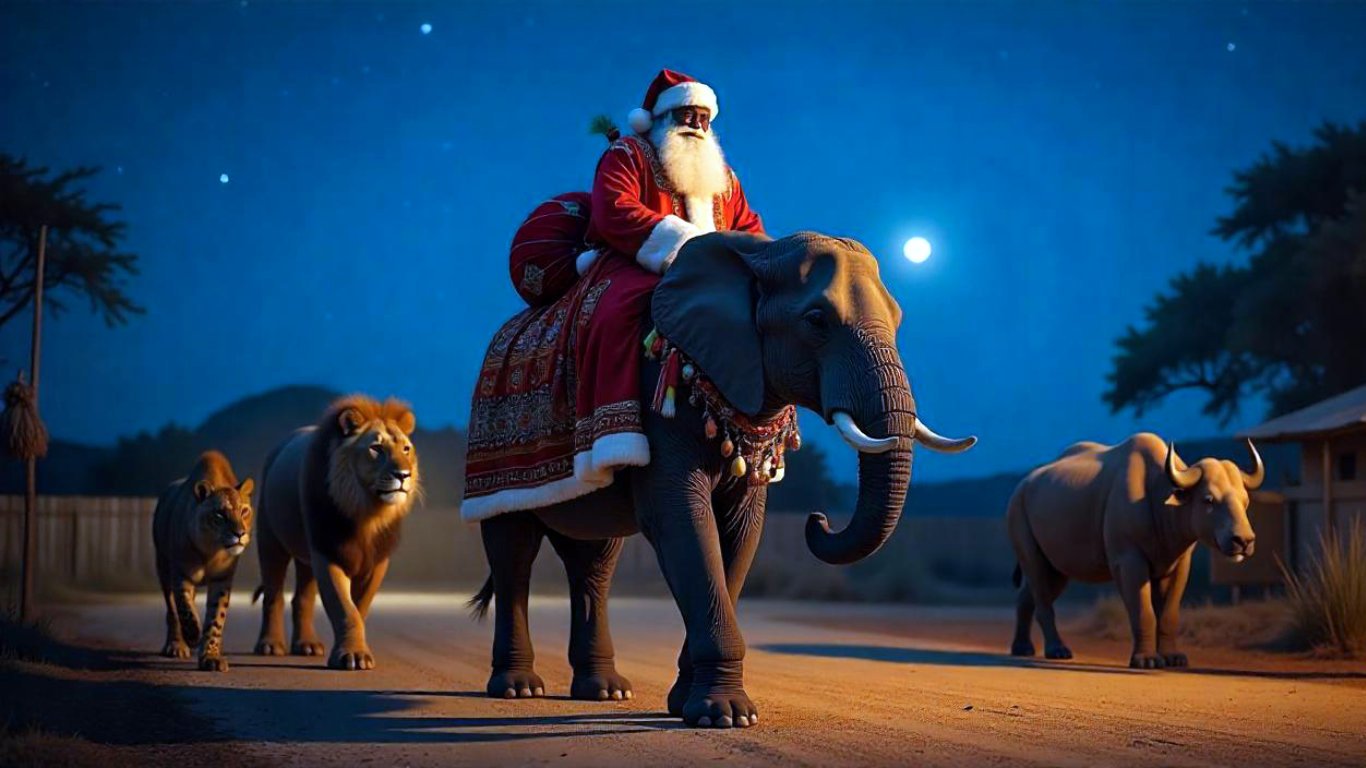
The future promises an even more dynamic Santa Claus. Virtual reality may soon transport children to immersive North Pole experiences. His sleigh might go electric, teaching environmental responsibility to young minds. His image increasingly reflects our diverse global community while preserving the timeless message of generosity.
This evolution from a Turkish bishop to a worldwide symbol reveals humanity’s enduring need for wonder. Each generation adds new layers to Santa’s story, yet his core values remain unchanged. Modern technology enhances rather than diminishes his magic, proving that ancient traditions can thrive in our digital age.
The legacy of that first generous act in Turkey continues to ripple across time. Saint Nicholas’s simple gesture transformed into Santa Claus, a global celebration of giving that transcends cultures and generations. His story demonstrates how small acts of kindness can spark worldwide movements of joy.
As holiday traditions evolve, Santa Claus adapts while maintaining his essential spirit. He mirrors our society’s progress, from sustainable practices to multicultural representation, showing that meaningful traditions grow stronger through change.
Your next holiday journey could trace these historic footsteps, from Turkey’s ancient streets to the modern celebrations that unite our world. This isn’t just tradition – it’s an ever-unfolding story of hope and generosity that began centuries ago and continues to enchant hearts across every continent.

Comment (0)