
In the wild heart of Africa, where the sun beats down on the vast savannahs, and the call of the wild is a daily soundtrack, the Born Free Foundation is a guardian of the untamed. Founded in 1984 by the visionary Bill Travers, Dame Virginia McKenna, and their son Will Travers, this international wildlife charity has been on a mission to protect wild animals and their homes, keeping the spirit of Elsa the Lioness alive—her journey to freedom still inspiring their work today.
Fast forward to 2003, and Born Free Kenya was born, with a bold purpose: to protect wildlife in their natural habitat while helping local communities live in harmony with the wild. Picture this: conservationists working with schools, communities, and local partners to save the majestic lions, towering giraffes, and mighty elephants. They fight against poaching, lead anti-poaching patrols, study wildlife, and push for laws that protect these incredible creatures. But the road isn’t easy.
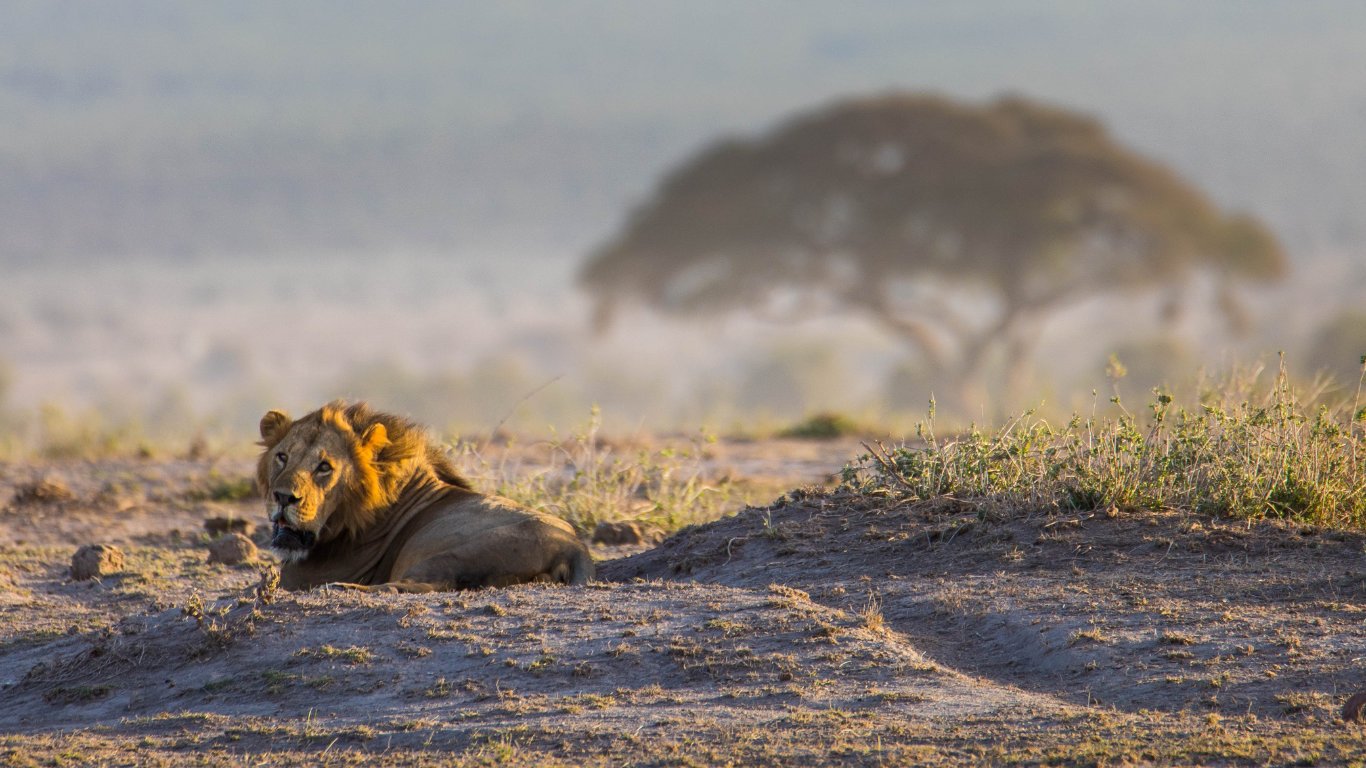
Lions, the kings of the savannah, are in trouble. Once numbering around 10,000 in the 1970s and ’80s, their population in Kenya has plummeted to about 2,600. Human expansion, habitat loss, and conflicts between people and wildlife have pushed these magnificent animals to the brink. In Amboseli, where the national park meets Maasai lands, the line between human and wildlife territories blurs. Here, lions roam close to villages, and at night, they hunt. Livestock becomes prey, and in retaliation, lions are killed. It’s a battle where both sides lose.
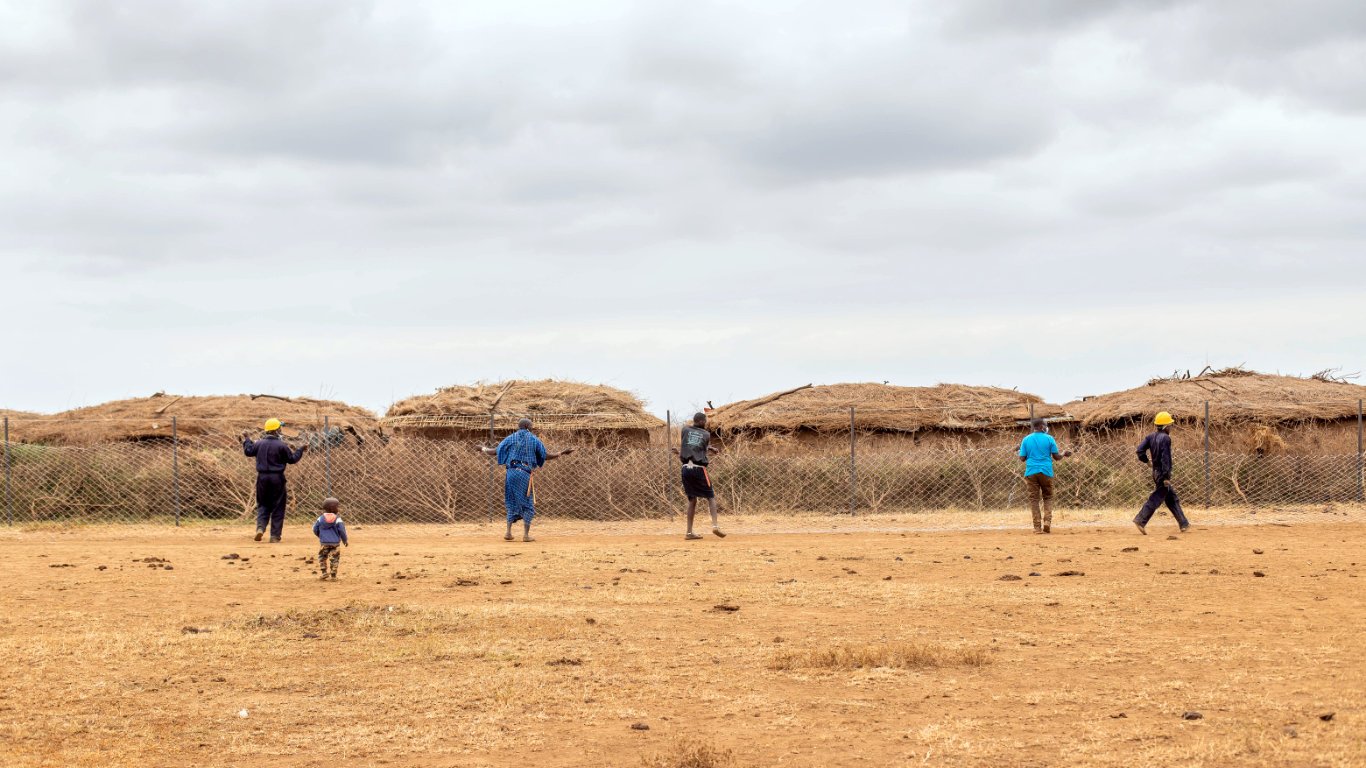
Enter the “Pride of Amboseli” programme, launched by Born Free in 2010. This isn’t just a conservation effort—it’s a lifeline for both lions and the local Maasai communities. The solution? Reinforcing traditional Maasai bomas into predator-proof fortresses. These bomas, with their sturdy metal posts and strong chain links, are simple yet effective. Livestock stays safe, lions stay away, and the age-old conflict begins to fade.
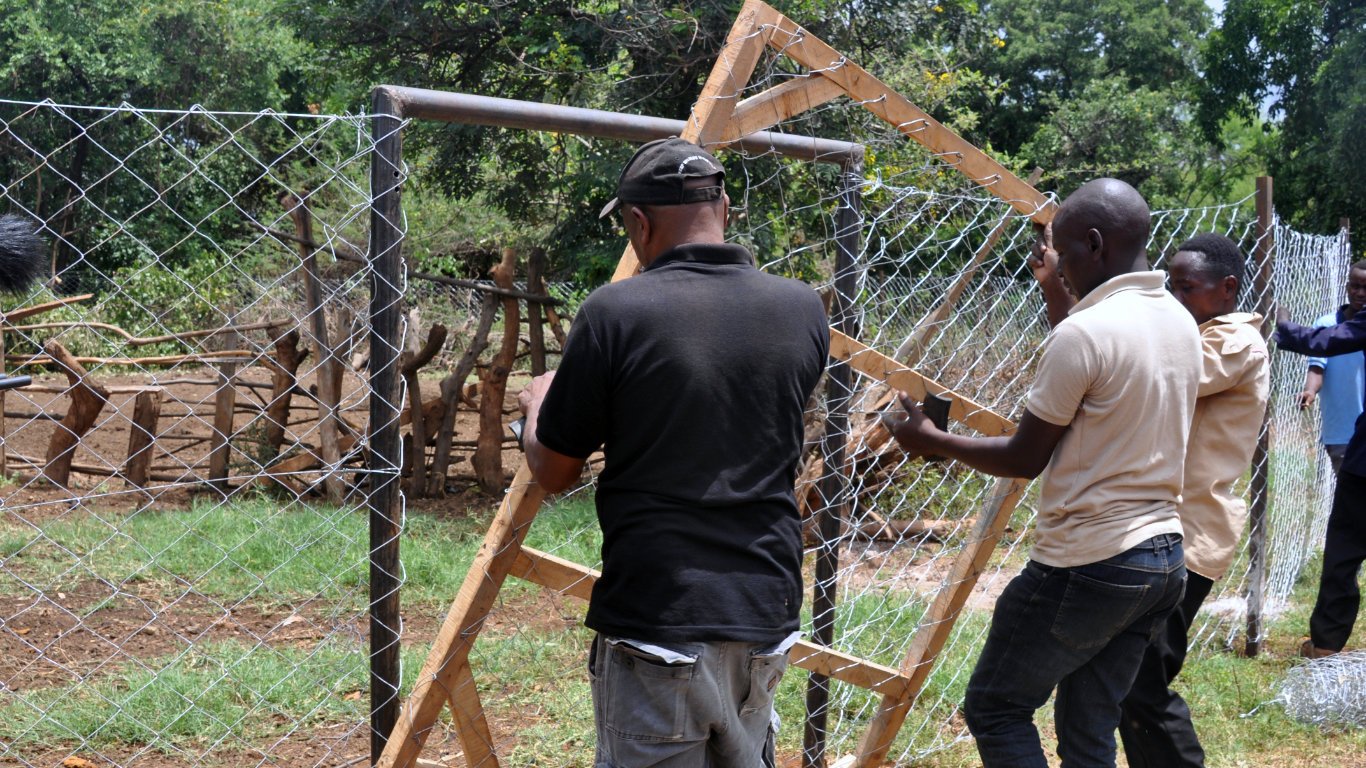
The stories from the Maasai are as heartwarming as the African sun. James Santetua, from Oltepesi village, shares his relief: “There are many predators in this area, especially hyenas. Guarding my livestock day and night has been a challenge. This predator-proof boma is a big relief to me and my family.” Another villager, Moko Kupere, thanks Born Free in his own way: “The lions and hyenas have taken my livestock for many years, and they don’t say thank you! Me, I want to say thank you to Born Free Foundation for accepting to predator-proof my boma.”
And the results? Since 2010, Born Free has worked with the Amboseli community to build predator-proof bomas, protecting about 110,000 livestock and benefiting over 8,000 people. Lion populations in the area have grown from about 50 in 2010 to around 141 today—a number we hope will rise even higher.

But Born Free’s work doesn’t stop at bomas. They’re helping the community tackle climate change too. Energy-saving stoves, solar lights, and water storage tanks are just some of the tools they provide. The stoves cut down on firewood use, allowing wildlife habitats to recover, while solar lights let children study after dark. Water tanks offer a lifeline during droughts, making life a little easier in this tough environment.
Predator-proof Bomas in Meru
With the success of Amboseli, Born Free is now taking its fight to the Meru Conservation Area. Here, the challenge is just as fierce, with 300 human-carnivore conflicts reported in a year. Born Free’s Pride of Meru team is stepping in, building predator-proof bomas to protect livestock and reduce the retaliatory killing of lions.
Born Free’s journey is a testament to what can be achieved when people and wildlife learn to live together. With 424 predator-proof bomas built, 7,435 energy-saving stoves distributed, 449 solar units and 273 water storage tanks provided, the impact is undeniable. All this has been possible thanks to the generosity of supporters. If the wild calls to you, visit www.bornfree.org.uk and help keep the spirit of freedom alive.
Comment (0)