
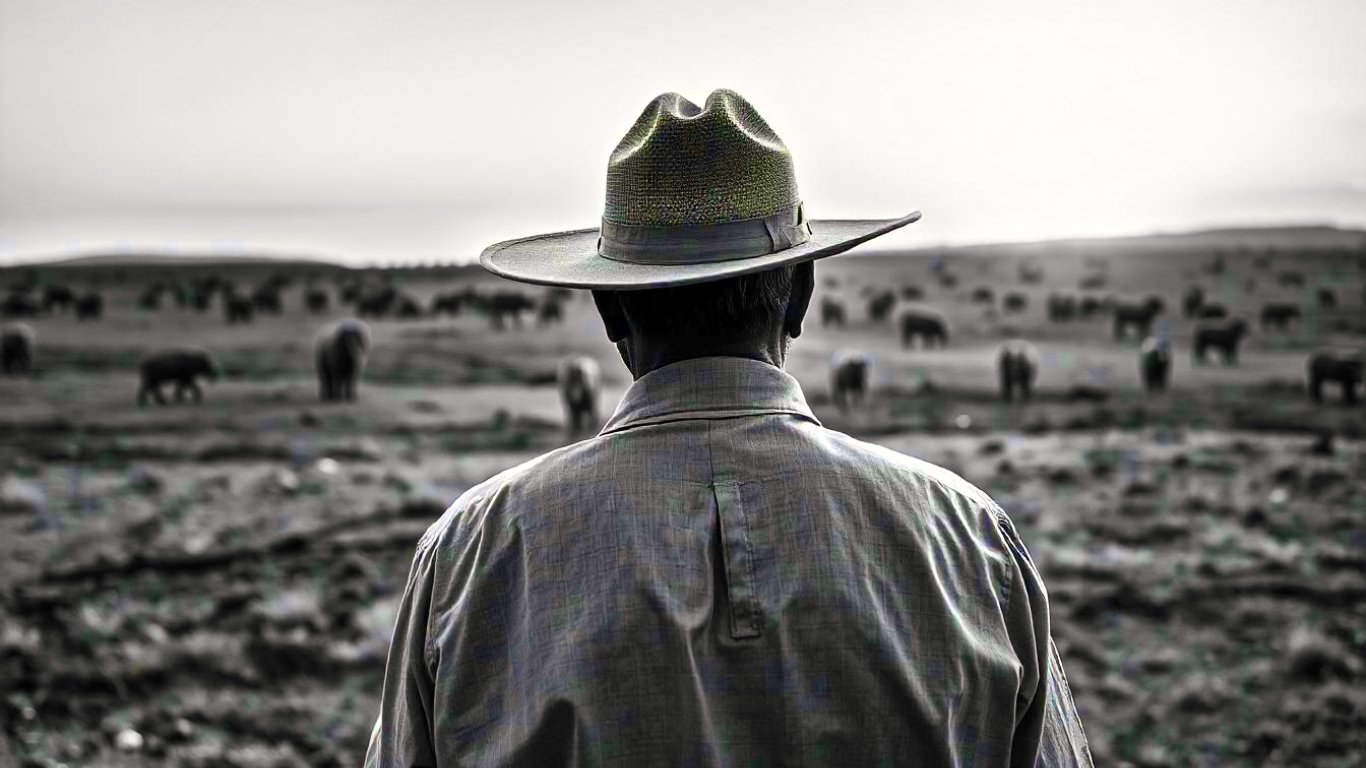
In the 1980s, Kenya’s Aberdare National Park was under siege. Poachers decimated elephant and black rhino populations, and human-wildlife conflict escalated. The Salient, a crucial part of the park, was particularly hard hit. In this dire situation, Ken Kuhle, an engineer, farmer, and passionate conservationist stepped forward with a radical idea: build an electric fence to protect the park.
“It was a daunting task,” Kuhle recalled. “But I knew we had to do something to save this incredible place.”
In 1988, Kuhle founded the Rhino Ark Charitable Trust to spearhead the project. For the next two decades, the trust worked tirelessly to construct a fence that would encompass over 2,000 square kilometres of indigenous forest and vital water catchment areas. The fence would serve as a barrier, keeping poachers out and wildlife in.
Funding was a major hurdle. But Kuhle and his team came up with a creative solution: an annual off-road driving competition known as the Rhino Charge. With over 60 vehicles and 300 participants, the event would raise funds for the fence while showcasing Kenya’s rugged beauty.
“We knew it would be a tough challenge,” said Brian Haworth, a key member of the Rhino Charge team. “But we were determined to make it work.”
The first Rhino Charge was a resounding success. By 1991, a 38-kilometer section of the fence was completed, protecting a critical black rhino habitat. Over the years, the fence was expanded to encompass the entire Aberdare Mountains.
The Aberdares are a vital part of Kenya’s ecosystem. Four of the country’s seven largest rivers originate here, providing water and power to millions of people. The mountains are also home to a diverse array of wildlife, including elephants, black rhinos, leopards, and the elusive bongo.
“The fence is a lifeline for these animals and the communities that depend on them,” said Kuhle.
The project was a monumental undertaking, supported by individuals, corporations, the Kenyan government, and international organizations. Finally, in August 2009, the dream of a man who set out to protect a priceless piece of Kenya’s heritage was realised.
Unfortunately, Ken Kuhle didn’t live to see the fence’s completion. He passed away in 2005, but his legacy lives on. The Rhino Ark Charitable Trust continues to raise funds through the Rhino Charge event and is working to ensure the fence’s long-term sustainability.
Today, the fence stands as a testament to Kuhle’s vision and the dedication of those who worked to make it a reality. It has helped to reduce human-wildlife conflict, protect rare species, and safeguard a vital part of Kenya’s natural heritage.

Comment (0)