
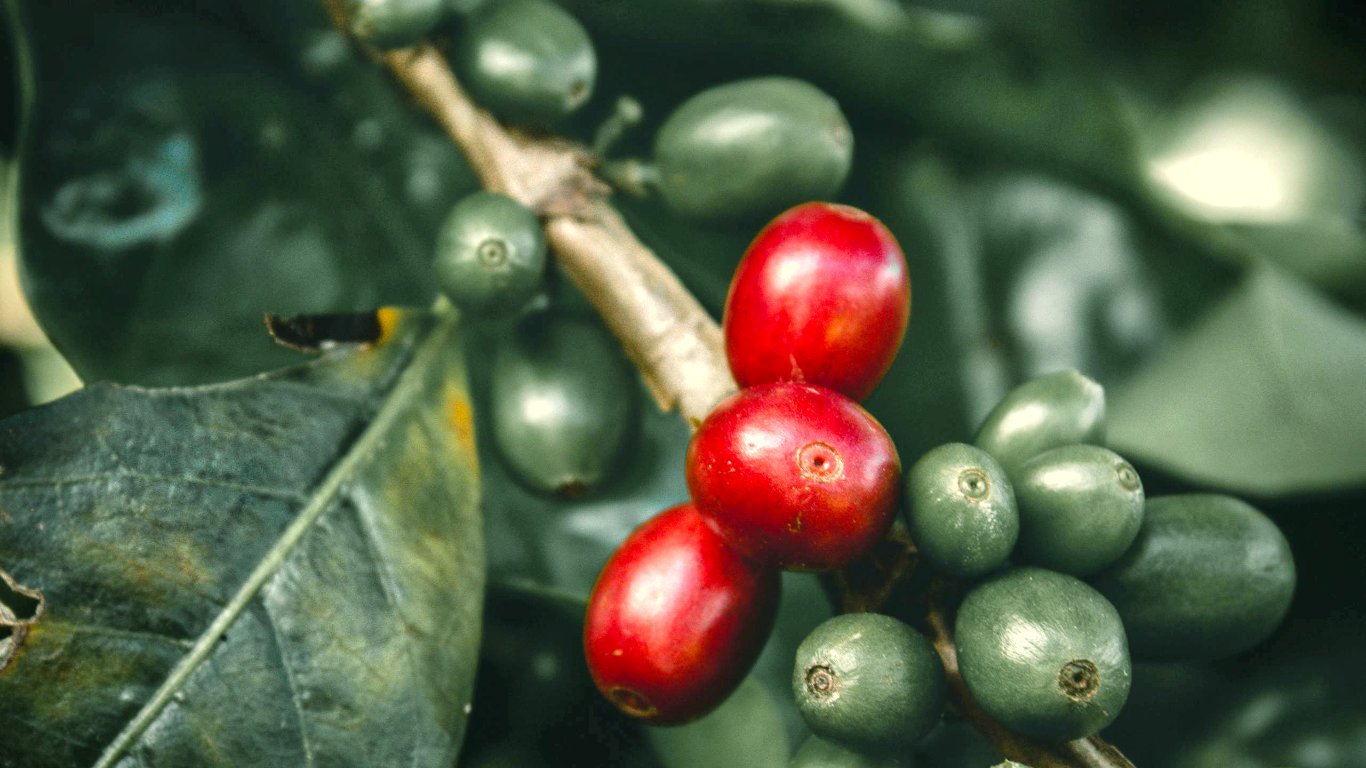
Peter Kareithi’s weathered hands dance across coffee cherries with the precision of a watchmaker. At dawn, while the rest of Kiambu sleeps, he’s already searching for the perfectly ripe ones – red as a cardinal’s wing, firm as a fresh grape. “My grandfather could tell a bean’s quality just by listening to it drop in his basket,” he says, a smile crinkling the corners of his eyes. “He’d say the good ones sing.”
Here at Karunguru Estate, nine kilometres off Thika’s rumbling superhighway, three generations of stories are rooted in the rust-red soil. The morning fog still clings to the hillsides, just as it did in 1928 when the British Glassfords first planted these slopes. But today, it’s the Kareithi family orchestrating what many consider Kenya’s finest coffee symphony.
“Everyone thinks coffee is just coffee until they stand here,” Peter says, gesturing across rows that stretch toward Mount Kenya’s silhouette. “Then they realize it’s actually magic.”
The magic he speaks of isn’t just in the cup – though that comes later, a revelation of flavours that makes you question every coffee you’ve had before. It’s in the ecosystem that creates it: the Riara River’s waters seeping through volcanic soils, the precise altitude that stresses the beans just enough to intensify their sugars, the generations of hands that have learned exactly when to pick, how to process when to rest.
At Fairview Estate, an hour’s drive through Limuru’s undulating hills, a similar alchemy unfolds. Nearly 100 acres of coffee plants drink from highland streams, their leaves whispering secrets from the 1900s. James Karanja, a third-generation farmer, runs his fingers through soil that feels like crumbled dark chocolate. “We don’t grow coffee here,” he insists. “We raise it.”
This distinction becomes clear as you walk the estate’s winding paths. Each tree receives attention as if it were the only one, despite there being thousands. The pruning is precise, the spacing mathematical, the timing of every intervention calculated down to the day. Yet somehow, it feels less like industrial agriculture and more like tending a vast garden.
“My father taught me that coffee farming is like raising children,” Karanja says, carefully pulling back leaves to reveal clusters of cherries. “You can’t rush it. You can’t force it. You just create the right conditions and watch carefully.”
Those conditions have made Kenyan coffee legendary. At both estates, daily tours now invite visitors to understand why. But these aren’t your typical tourist circuits with rehearsed scripts and rushed timelines. Instead, you’re invited into an unfolding story, one where you can literally taste the plot development.
At Karunguru, the Kareithi family serves a three-course meal where coffee influences every dish – not just as a beverage, but as an ingredient, a culture, a lens through which to view Kenyan hospitality. Meanwhile, Fairview’s twice-daily tours feel more like joining a coffee masterclass taught by nature itself.
The real revelation comes at the cupping table. Here, in rooms where millions of dollars worth of coffee has been evaluated over decades, visitors learn to slurp like professionals. The coffees reveal themselves gradually: first with fragrance, then aroma, finally taste. Notes of blackcurrant, citrus, and honey emerge not as marketing terms but as vivid realities.
“Now you understand why we do what we do,” Peter says, watching faces light up with recognition. “This isn’t just breakfast. This is our heritage in a cup.”
As afternoon light filters through cloud-streaked skies, the estates quiet down. The day’s picking is done, the processing nearly complete. Tomorrow, before sunrise, it will begin again – this centuries-old dance between farmers, plants, and the land that feeds them both.
For visitors lucky enough to witness it, Kenya’s coffee country offers more than just a tour. It offers proof that some things can’t be rushed, that quality is still worth waiting for, that the best things in life really do take time. In an age of instant everything, these hillsides remain a testament to patience, precision, and passion.
The next time you sip your morning coffee, remember: somewhere in Kenya’s highlands, someone like Peter or James is already up, listening for the sound of perfect beans dropping into their basket, continuing a story that’s been brewing for generations.
For those who wish to experience this journey firsthand, both Karunguru and Fairview estates welcome visitors. Karunguru offers full-day experiences including meals, while Fairview conducts tours at 10 AM and 2 PM daily. Book in advance – like good coffee, the best experiences shouldn’t be rushed.

Comment (0)