
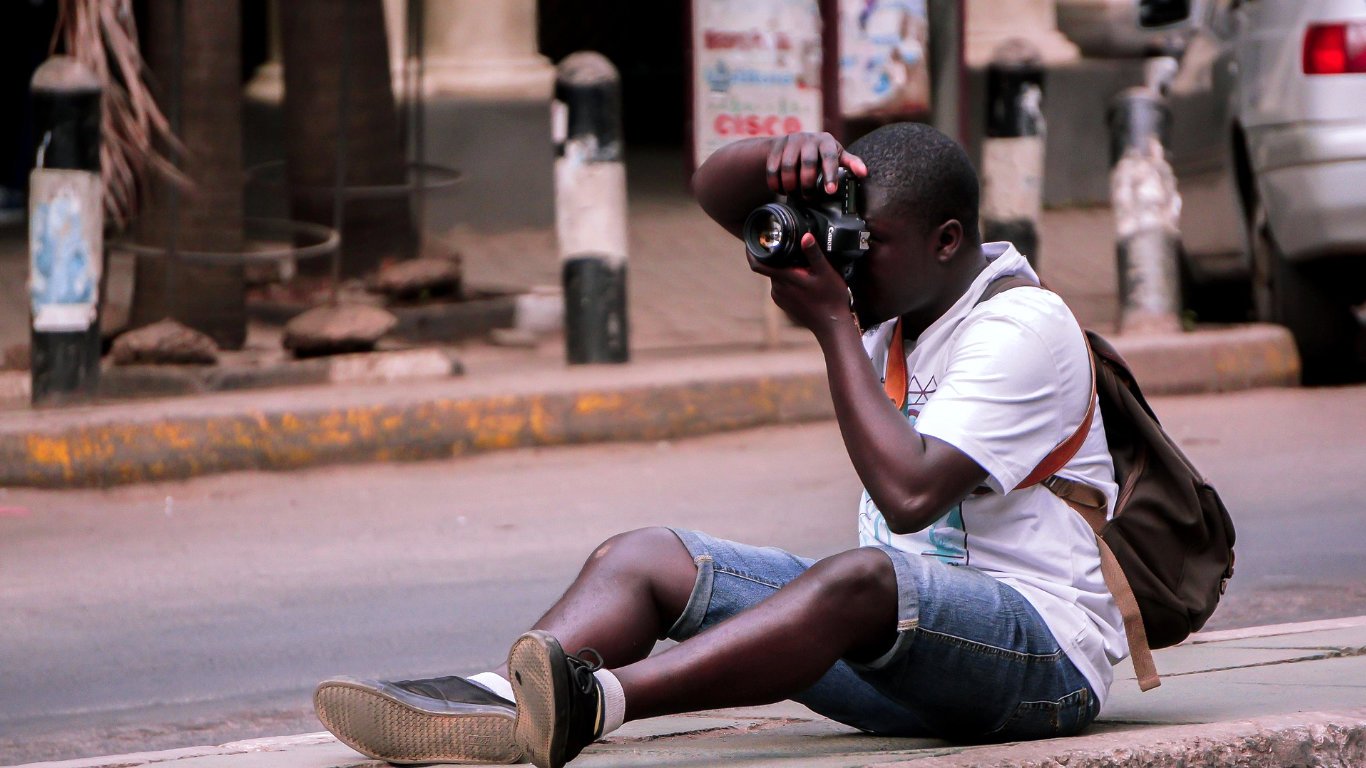
In the heart of Kenya lies a vibrant tapestry of life, culture, and stories waiting to be told. The streets are alive with colour, rhythm, and energy that invite both the experienced photographer and the curious traveller. Street photography in Kenya offers more than just the opportunity to capture striking visuals; it allows you to connect with the country’s soul. As you plan your adventure, remember that the magic often lies in what you see and how you engage with the world around you. Here, we’ll explore essential tips that elevate your street photography game, drawing on pro insights that could make your journey unforgettable.
Get the Light Right — Then Wait for the Magic
One of the most critical elements in photography is light. Professional photographers often start by scouting for the best light, waiting patiently for the perfect moment to unfold. Imagine standing along River Road in Nairobi as Golden Hour casts a warm glow, illuminating the dust particles spiralling through the air. The real artistry comes when you frame your shot and wait for life to enter it—be it the bodaboda rider speeding by or a child chasing a discarded tyre. True professionals often stand in one place for an hour or more, anticipating that decisive moment where life and light converge.
Don’t Zoom — Move
More critical than equipment is the perspective you adopt. In Kenya, physically moving closer to your subject enhances emotional intimacy and depth in your photographs. On the edges of Lake Victoria or the bustling alleys of Kibera, when you move in closer, you can capture expressions, textures, and smells that enhance your storytelling. This approach enriches your images and breaks the barrier between photographer and subject, creating a more human connection that shines through your lens.
Learn the Music of the Place
Street photography is not merely a visual art; it also captures the rhythm of life around you. In the vivid streets of Nairobi, let the sounds guide you. The honks of matatus, the lyrical banter of street vendors, and the melodious beats of coastal taarab music create an intoxicating atmosphere. Pay attention to these sounds, as they can help you anticipate moments, like the graceful way a mama mboga lifts a sack onto her head. By tuning in, you’ll find yourself shooting with the rhythm of the street, much like a jazz musician responds to the beat.
Blend in by Dressing Down
To capture authentic street moments, strive to blend into your environment. Forget the flashy safari gear; don simple, neutral colours that help you become an invisible part of the scenery. When you dress like a local—whether in Nairobi’s urban fabrics or Lamu’s breezy kikoy—you’ll find that life unfolds around you more naturally. Photographers know that to get real, candid shots, they often look the part of an off-duty commuter rather than a tourist wielding a professional camera.
Make Friends Before You Shoot
Building connections is vital in street photography. Before you snap a shot, take time to engage with the locals. A simple greeting, a smile, and sharing a chapati can go a long way. Once you warm up to your subjects, they’re more likely to feel at ease in front of your lens. You’ll find that some of the best portraits come after a casual conversation over a cup of chai—laughter often leads to more genuine expressions that speak volumes in your photographs.
Don’t Just Photograph People — Photograph Stories
Every person you encounter has a story to tell. Layer your frames with elements that provide context and meaning. For instance, don’t just photograph the herder at the camel markets in Isiolo. Include the chipped jerrycan, the dust swirling underneath their feet, and the intricate details that reveal where and why these moments occur. Photographs that tell a story resonate longer, imprinting the viewer’s mind.
Use Reflections and Shadows Creatively
Elevate your street photography by playing with reflections and shadows. After a rain shower in Gikomba, use puddles to capture chaotic scenes in creative reflections. Or shoot the elongated shadows of pedestrians crossing Moi Avenue at sunset to create a dynamic narrative within a single frame. These techniques add layers and depth while inviting the viewer to explore the complexities of life in Kenya.
Stay for the Unscripted Moments
The most heartwarming shots often come not during the main event but in its aftermath. After the Maasai dance concludes or the tourist activities wind down, linger a bit longer. You might find a boy dancing alone or a captain lost in thought, waiting for the next wave. These unscripted moments often contain profound truths and emotions that elevate your photography.
Embrace Imperfection
Photography is the art of capturing life as it is, and sometimes, that means capturing the chaos of the moment. The blurs, graininess, or overexposed sections of your images can convey emotions and stories in ways perfect shots cannot. On a rainy day in Nairobi, shoot through a matatu window to encapsulate fleeting moments—the splashes of water and the blurred figures rushing past all contribute to the raw beauty of life on the streets.
Know When to Lower the Camera
As a street photographer, sometimes the best shot is the one you don’t take. Recognizing sacred grief, prayer, or intimacy moments invites you to show respect. The best street photographers are observant of humanity, and knowing when to step back often earns deeper access in the future. Sensitivity to these moments will reward you with a greater understanding of the lives you are capturing.
By embracing these principles, your journey through Kenya will transform from a simple vacation into an immersive adventure, allowing you to tell stories through your camera’s lens. So grab your gear, engage with the locals, and let the streets of Kenya unfold before you—one captivating frame at a time.

Comment (0)